



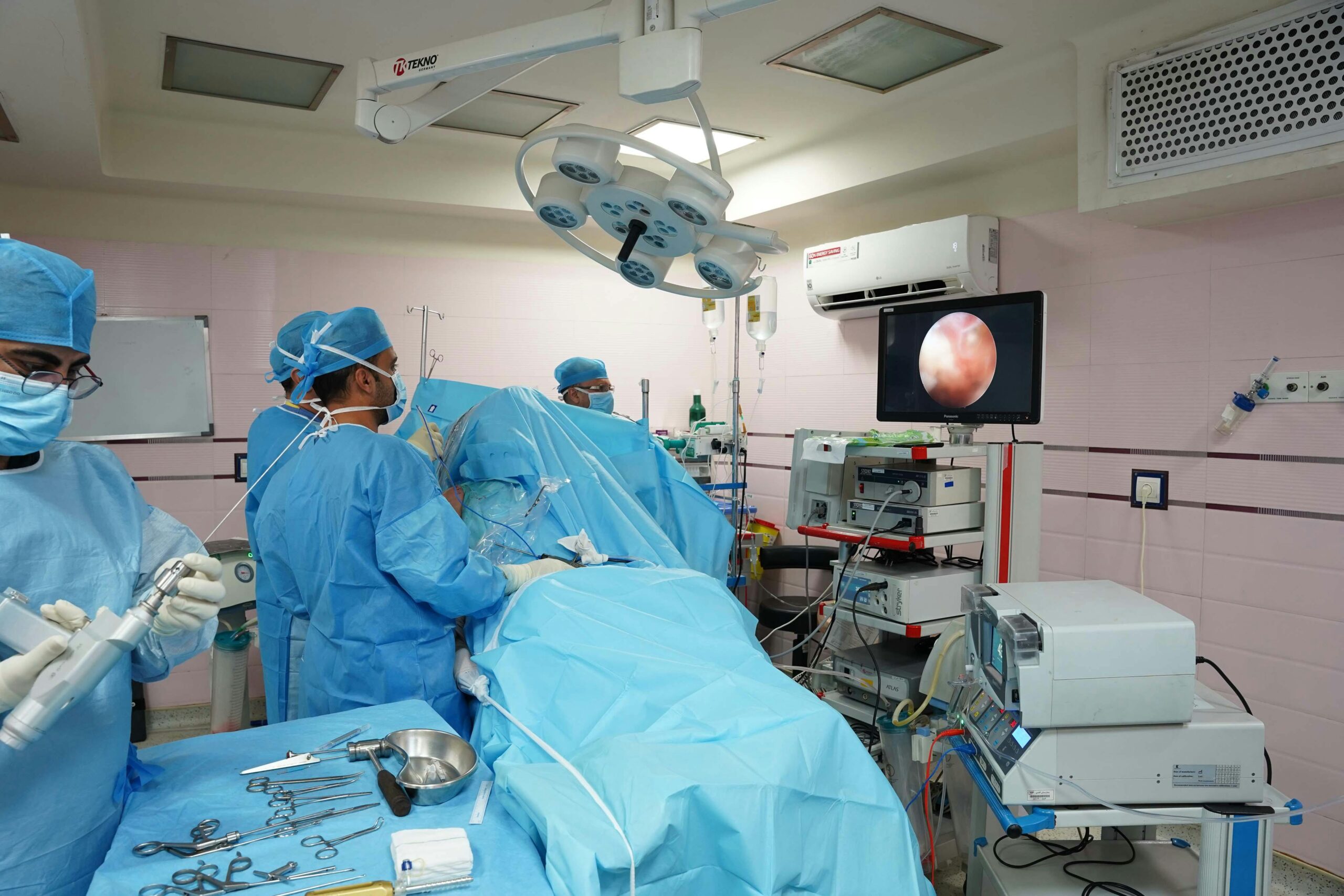
Joint replacement surgery has become increasingly common as medical advancements continue to improve outcomes and recovery times. Procedures involving the hip, knee, and shoulder are often recommended when pain, stiffness, or limited mobility begins to interfere with daily life. While these surgeries can significantly improve quality of life, they are major medical procedures that require careful preparation and understanding. Knowing what to expect beforehand can help you feel more confident and prepared for the journey ahead.
Understanding When Surgery Becomes Necessary
Joint replacement is typically considered when non-surgical treatments are no longer effective. Medications, physical therapy, and lifestyle changes can often manage symptoms in the early stages, but there may come a point when these methods no longer provide relief.
Chronic pain, reduced mobility, and difficulty performing everyday tasks are common indicators that surgery may be the next step. It is important to have a thorough evaluation with a medical professional to determine whether joint replacement is the most appropriate option for your condition.
Knowing the Differences Between Joint Surgeries
Although hip, knee, and shoulder replacements share similarities, each procedure addresses different parts of the body and comes with its own considerations. Hip replacement often focuses on restoring smooth movement and reducing pain caused by joint deterioration. Knee replacement typically aims to improve stability and alignment, especially for those with severe arthritis. Shoulder replacement is often performed to restore range of motion and reduce discomfort caused by injury or wear.
Understanding the specific goals and outcomes of your surgery can help set realistic expectations and guide your preparation. Each joint plays a unique role in movement, so recovery timelines and rehabilitation approaches will differ accordingly.
Preparing Your Body Before Surgery
Physical preparation plays a crucial role in the success of joint replacement surgery. Strengthening the muscles surrounding the affected joint can improve recovery and reduce complications. Doctors may recommend targeted exercises or physical therapy before the procedure to build strength and flexibility.
Maintaining a healthy weight is another important factor, as excess weight can place additional stress on joints and impact both the surgery and recovery process. Proper nutrition, hydration, and overall health management contribute to better surgical outcomes and a smoother healing experience.
Understanding the Surgical Process
Having a basic understanding of how the surgery is performed can help reduce anxiety and provide clarity. During joint replacement, the damaged portions of the joint are removed and replaced with artificial components designed to mimic natural movement. These prosthetic parts are typically made from durable materials such as metal, plastic, or ceramic.
The procedure is performed under anesthesia, and the duration can vary depending on the complexity of the case. Advances in surgical techniques, including minimally invasive approaches, have made these procedures more efficient and less disruptive to surrounding tissues.
Recovery Is a Gradual Process
One of the most important things to understand before undergoing joint replacement is that recovery takes time. While many patients experience significant pain relief after surgery, regaining full strength and mobility requires patience and consistent effort.
Physical therapy is a key component of recovery, helping patients rebuild strength, improve flexibility, and restore normal movement patterns. Following the recommended rehabilitation plan is essential for achieving the best possible outcome. It is also important to set realistic expectations, as progress may vary from person to person.
Managing Pain and Discomfort
Post-surgical discomfort is a normal part of the healing process. Pain management strategies may include medications, ice therapy, and guided exercises. Understanding that some level of discomfort is expected can help you mentally prepare and stay committed to your recovery plan.
Effective communication with your healthcare team is important during this stage. Reporting any unusual symptoms or concerns ensures that potential issues are addressed promptly, allowing for a safer and more comfortable recovery experience.
Preparing Your Home Environment
Before undergoing surgery, it is helpful to prepare your living space to accommodate your recovery needs. Simple adjustments, such as removing tripping hazards, arranging frequently used items within easy reach, and setting up a comfortable resting area, can make a significant difference.
For those undergoing hip or knee replacement, mobility aids such as walkers or crutches may be necessary during the initial recovery period. Ensuring that your home is safe and accessible can reduce the risk of falls and make daily activities more manageable.
Choosing the Right Medical Team
Selecting a skilled and experienced medical team is a critical part of the process. Researching healthcare providers, asking questions, and understanding your surgeon’s experience with joint replacement procedures can provide reassurance and confidence.
Facilities such as South Shore Health are examples of institutions that emphasize comprehensive care and patient-centered approaches. While the focus should remain on your individual needs, knowing that experienced professionals are available can make a significant difference in your overall experience.
Long-Term Benefits and Lifestyle Changes
Joint replacement surgery can offer long-term benefits, including reduced pain, improved mobility, and a better quality of life. However, it is important to recognize that maintaining these benefits requires ongoing care and lifestyle adjustments.
Staying active, maintaining a healthy weight, and following medical advice can help prolong the lifespan of the artificial joint. While most patients can return to many of their normal activities, high-impact movements may need to be limited to protect the new joint.
Conclusion
Hip, knee, and shoulder replacement surgeries are transformative procedures that can restore mobility and improve daily living. However, they require careful preparation, realistic expectations, and a commitment to recovery.
By understanding when surgery is necessary, preparing both physically and mentally, and following a structured rehabilitation plan, patients can achieve successful outcomes. Taking the time to learn about the process ensures that you approach surgery with confidence, clarity, and a strong foundation for long-term health and mobility.