



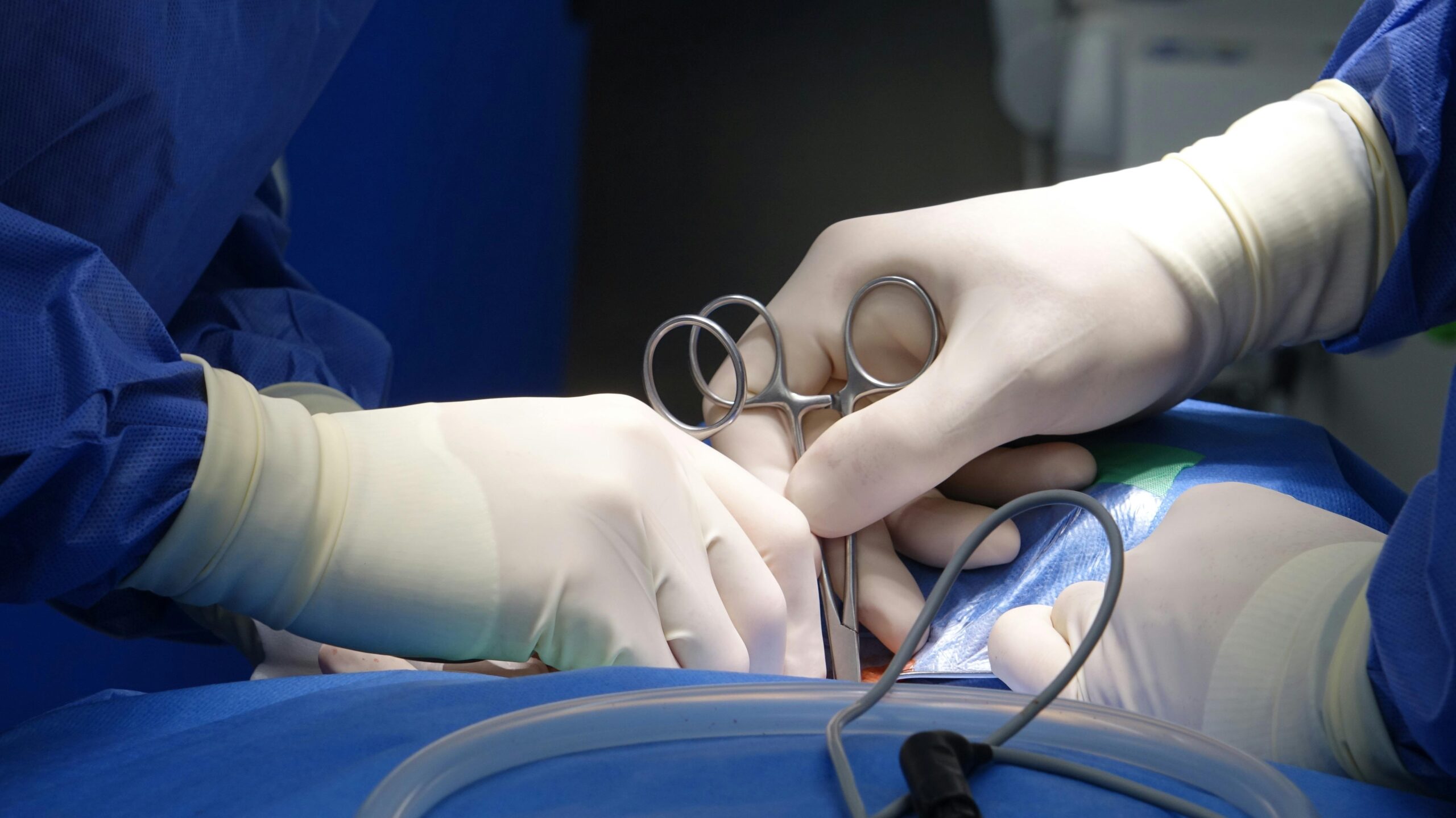
Colorectal and anal health is an essential yet often overlooked aspect of overall well-being. Conditions affecting the colon, rectum, and anus can significantly impact quality of life, causing discomfort, pain, and even serious health risks if left untreated. Advances in medical science have made colorectal and anal surgery more effective, less invasive, and safer than ever before. Understanding the benefits of these procedures can help individuals make informed decisions and seek timely care when needed.
Addressing a Wide Range of Conditions
Colorectal and anal surgeries are performed to treat a variety of conditions, ranging from mild to severe. Common issues include hemorrhoids, anal fissures, fistulas, colorectal cancer, inflammatory bowel disease, and diverticulitis. Each of these conditions can present unique challenges, and in many cases, surgery becomes the most effective solution when other treatments fail.
By addressing the root cause of these problems, surgery provides long-term relief rather than temporary symptom management. This targeted approach allows patients to regain comfort and resume normal daily activities without ongoing disruption.
Relief from Chronic Pain and Discomfort
One of the most immediate benefits of colorectal and anal surgery is the relief it provides from persistent pain and discomfort. Conditions such as severe hemorrhoids or fissures can make everyday activities like sitting, walking, or using the restroom extremely uncomfortable.
Surgical intervention can eliminate or significantly reduce these symptoms, improving overall comfort and quality of life. Patients often report a sense of relief and normalcy after recovery, as they are no longer burdened by constant pain or irritation.
Preventing Serious Health Complications
In some cases, colorectal conditions can progress into more serious health issues if not treated properly. For example, untreated colorectal cancer can spread to other parts of the body, while chronic inflammation may lead to complications such as strictures or infections.
Surgery plays a critical role in preventing these outcomes. Early intervention can remove diseased tissue, stop the progression of illness, and reduce the risk of life-threatening complications. This proactive approach highlights the importance of not delaying medical evaluation when symptoms arise.
Advancements in Minimally Invasive Techniques
Modern colorectal and anal surgeries have greatly benefited from advancements in minimally invasive techniques. Procedures such as laparoscopic or robotic-assisted surgery allow surgeons to operate with greater precision while minimizing trauma to surrounding tissues.
These techniques typically result in smaller incisions, reduced pain, and faster recovery times. Patients can often return to their normal routines more quickly compared to traditional surgical methods. The reduced risk of complications and shorter hospital stays make these advancements a significant benefit for those requiring surgical care.
Improved Digestive Function
For individuals suffering from conditions that affect bowel function, colorectal surgery can lead to significant improvements in digestion and elimination. Disorders such as blockages, severe inflammation, or structural abnormalities can disrupt the normal functioning of the digestive system.
Surgical correction restores proper function, allowing the body to process and eliminate waste more effectively. This improvement not only enhances physical comfort but also contributes to better overall health and well-being.
Personalized Treatment Approaches
No two patients experience colorectal or anal conditions in exactly the same way. One of the strengths of modern surgical care is the ability to tailor treatment plans to individual needs. Surgeons consider factors such as the severity of the condition, overall health, and lifestyle when recommending procedures.
This personalized approach ensures that patients receive the most appropriate and effective care. It also helps optimize outcomes by aligning treatment strategies with each patient’s unique circumstances. Facilities like South Shore Health are examples of healthcare providers that emphasize individualized care in managing complex conditions, although the focus remains on the broader benefits of specialized surgical expertise.
Enhancing Quality of Life
Beyond physical relief, colorectal and anal surgery can have a profound impact on a person’s quality of life. Chronic conditions in this area often cause embarrassment, anxiety, and social discomfort, leading individuals to withdraw from activities they once enjoyed.
Successful surgical treatment can restore confidence and allow patients to engage fully in their personal and professional lives. The ability to live without constant discomfort or concern about symptoms can be transformative, improving both mental and emotional well-being.
Encouraging Early Medical Attention
Understanding the benefits of colorectal and anal surgery also encourages individuals to seek medical attention earlier. Many people delay discussing symptoms due to embarrassment or fear, which can lead to worsening conditions.
Raising awareness about the effectiveness and safety of modern surgical options helps reduce this hesitation. When people recognize that these procedures are designed to improve health and comfort, they are more likely to consult healthcare professionals and address issues before they become severe.
Supporting Long-Term Health Outcomes
Colorectal and anal surgeries not only address immediate concerns but also contribute to long-term health. By resolving underlying issues, these procedures reduce the likelihood of recurring problems and ongoing complications.
Patients who undergo appropriate surgical treatment often experience lasting improvements, allowing them to maintain better health over time. Combined with follow-up care and lifestyle adjustments, surgery can be a key component of a comprehensive approach to wellness.
Conclusion
Colorectal and anal surgery plays a vital role in modern healthcare, offering effective solutions for a wide range of conditions. From relieving pain and improving digestive function to preventing serious complications, these procedures provide significant benefits that extend beyond immediate treatment.
Advancements in surgical techniques, personalized care, and increased awareness have made these treatments more accessible and less intimidating. By understanding their value, individuals can take proactive steps toward better health and improved quality of life. Seeking timely medical care and considering surgical options when necessary can make a meaningful difference in achieving lasting comfort and well-being.