



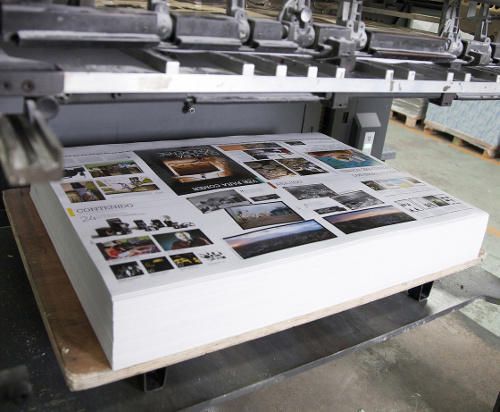
Publishing has never been more accessible thanks to the popularity of print-on-demand book publishing. With print-on-demand (POD) technology, authors can publish professional-quality books without investing in expensive print runs or maintaining inventory. Books are printed only after a customer places an order, making the publishing process both affordable and efficient. However, while POD simplifies production, achieving success still requires careful planning. Many authors make avoidable mistakes that affect book quality, sales, and long-term growth.
Table of Contents
ToggleUnderstanding these common pitfalls can help you maximize the benefits of print-on-demand publishing and create a better experience for your readers.
Understanding Print-on-Demand Publishing
Print-on-demand is a publishing model that produces books individually as customer orders are received. Authors upload their manuscript, cover design, and publishing information to a POD platform. When someone purchases the book, the provider prints, binds, packages, and ships it directly to the buyer.
This eliminates the need to purchase large quantities of books in advance while allowing titles to remain available indefinitely.
Because of its affordability and convenience, print-on-demand has become the preferred publishing method for many independent authors.
Mistake 1: Rushing the Editing Process
One of the biggest mistakes new authors make is publishing before their manuscript is fully edited.
Grammar mistakes, spelling errors, awkward formatting, and inconsistent writing can negatively affect reader reviews and reduce credibility.
Before publishing, consider:
- Multiple proofreading rounds
- Professional editing
- Beta reader feedback
- Careful fact-checking
- Final formatting review
A polished manuscript creates a better reading experience and encourages positive reviews.
Mistake 2: Choosing a Poor Cover Design
Readers often judge books by their covers.
An unprofessional cover can discourage potential buyers regardless of how well the book is written.
A successful cover should feature:
- Clear typography
- Balanced layout
- High-quality graphics
- Appropriate genre styling
- Readable title
- Professional appearance
Investing time in cover design helps your book compete effectively in online marketplaces.
Mistake 3: Ignoring Interior Formatting
Even an excellent manuscript can appear unprofessional if the interior layout is poorly formatted.
Authors should pay close attention to:
- Margins
- Line spacing
- Fonts
- Chapter headings
- Page numbers
- Image placement
- Table formatting
Professional formatting improves readability while creating a polished final product.
Mistake 4: Pricing the Book Incorrectly
Pricing affects both sales volume and profitability.
Setting prices too high may discourage buyers, while pricing too low may reduce perceived value and limit earnings.
When determining pricing, consider:
- Printing costs
- Target audience
- Comparable books
- Distribution expenses
- Desired royalty
Finding a competitive price helps maximize both visibility and long-term revenue.
Mistake 5: Overlooking Book Metadata
Metadata plays a significant role in helping readers discover your book online.
Important metadata includes:
- Book title
- Subtitle
- Description
- Keywords
- Categories
- Author biography
Well-optimized metadata improves search visibility and increases the likelihood of attracting interested readers.
Mistake 6: Skipping the Proof Copy
Publishing without reviewing a printed proof can lead to costly mistakes.
Always order a physical proof to inspect:
- Print quality
- Cover alignment
- Color accuracy
- Page order
- Margins
- Binding quality
- Overall appearance
A proof copy allows you to identify and correct problems before customers receive the finished book.
Mistake 7: Neglecting Marketing
Publishing a book does not automatically generate sales.
Successful print-on-demand books are supported by ongoing marketing efforts such as:
- Author websites
- Email newsletters
- Social media promotion
- Blog content
- Search engine optimization (SEO)
- Reader communities
- Virtual events
- Book reviews
Consistent promotion increases visibility and helps authors build loyal audiences over time.
Mistake 8: Publishing Only One Book
Many successful independent authors build careers by publishing multiple books.
Each additional title strengthens an author’s catalog and creates more opportunities for readers to discover their work.
A growing collection offers several benefits:
- More revenue streams
- Increased visibility
- Stronger brand recognition
- Better cross-promotion
- Higher reader retention
Publishing consistently often leads to greater long-term success than relying on a single title.
Building a Sustainable Publishing Strategy
Print-on-demand is more than simply publishing one book—it’s an opportunity to establish a long-term author business.
Successful writers continually improve their skills by:
- Studying reader feedback
- Updating existing books
- Expanding into new genres
- Building email lists
- Growing their online presence
- Developing consistent publishing schedules
Treating writing as an ongoing business helps create sustainable growth over time.
Conclusion
Print-on-demand books have revolutionized independent publishing by making professional book production affordable, flexible, and accessible. However, success depends on more than simply uploading a manuscript. By avoiding common mistakes such as poor editing, weak cover design, inadequate formatting, incorrect pricing, and ineffective marketing, authors can produce higher-quality books and build stronger connections with readers. With careful planning, consistent publishing, and a commitment to quality, print-on-demand offers writers an excellent opportunity to establish successful and lasting careers in today’s competitive publishing industry.