



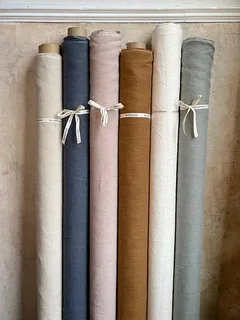
Modal fabric has become a go-to choice for garment manufacturers who want soft, durable, and sustainable materials. If you’re sourcing modal for your next collection, knowing where to buy it—and what to look for—can save you time and money.
This guide walks you through the best places to buy modal fabric, what factors matter when choosing a supplier, and how to assess quality before placing a bulk order.
What Is Modal Fabric?
Modal is a semi-synthetic fabric made from beech tree pulp. It’s processed using a closed-loop system that recycles water and solvents, making it more eco-friendly than conventional rayon.
Key properties of modal fabric:
- Soft texture: Feels smooth against the skin, similar to cotton but with a silkier finish
- Breathable: Allows air circulation, making it comfortable for activewear and loungewear
- Moisture-wicking: Absorbs moisture better than cotton, keeping garments fresh
- Durable: Resists pilling and shrinking, even after multiple washes
- Color retention: Holds dyes well, resulting in vibrant, long-lasting colors
Modal works well for t-shirts, dresses, underwear, bed linens, and athleisure. Its drape and softness make it popular for both casual and premium garment lines.
Factors to Consider When Choosing a Modal Fabric Supplier
Not all modal fabric suppliers offer the same quality or service. Here’s what to evaluate before placing an order:
Minimum Order Quantity (MOQ): Some suppliers require high MOQs, which can be a barrier for small brands or startups. Look for suppliers that offer flexible MOQs to match your production needs.
Fabric quality: Check the fabric’s weight, weave, and finish. Request samples to test durability, softness, and colorfastness.
Customization options: If you need custom dyeing, printing, or specific fabric weights, confirm that the supplier can deliver.
Sustainability certifications: Look for certifications like OEKO-TEX, GOTS, or FSC to ensure the modal is produced responsibly.
Lead times: Understand how long it takes for the supplier to process and ship orders. Delays can disrupt your production schedule.
Pricing transparency: Compare wholesale prices, but also factor in shipping, duties, and any additional fees.
Customer support: Reliable communication is crucial. A supplier who responds quickly and provides clear information will make the sourcing process smoother.
Top Online Marketplaces for Buying Modal Fabric
Fabriclore
Fabriclore specializes in wholesale modal fabric for fashion brands. They offer customized fabric design, dyeing, and printing at low MOQs, making them a strong choice for D2C brands and small-scale manufacturers.
Why choose Fabriclore?
- Low MOQs for custom orders
- Wide range of sustainable fabrics, including modal, Tencel, and viscose
- Customized printing and dyeing services
- Trusted by over 400 private labels globally
- Tech-enabled platform with transparent delivery tracking
- Competitive wholesale pricing
Fabriclore delivers globally and provides end-to-end support, from fabric selection to final delivery. Their focus on sustainability and customization makes them a reliable partner for fashion businesses.
Contact Fabriclore for wholesale modal fabric.
Alibaba
Alibaba connects buyers with modal fabric manufacturers, mostly based in China and India. You’ll find a wide range of options, from basic modal knits to blended fabrics.
Pros: Large supplier network, competitive pricing, bulk fabric wholesale options
Cons: High MOQs, variable quality, longer shipping times
Request samples before committing to large orders. Verify supplier credentials and read reviews from other buyers.
Etsy
Etsy works for designers and small brands looking to buy fabric in smaller quantities. Some sellers offer modal fabric by the yard, which is useful for prototyping or limited collections.
Pros: No high MOQs, quick shipping for domestic orders
Cons: Limited selection, higher per-yard prices
Amazon
Amazon offers modal fabric from various sellers, often in smaller quantities. It’s convenient for quick orders, but options are limited compared to dedicated fabric suppliers.
Pros: Fast shipping, easy returns
Cons: Limited wholesale options, inconsistent quality
Local Fabric Stores and Wholesalers
Local fabric stores and wholesalers can be a good option if you prefer to see and feel the fabric before buying. This is especially helpful when assessing texture, weight, and drape.
Garment districts: Cities with garment districts—like New York, Los Angeles, Mumbai, or Guangzhou—have wholesale fabric markets where you can buy modal fabric in bulk. These markets often have lower MOQs than online suppliers and allow for immediate pickup.
Trade shows: Fabric trade shows like Texworld, Première Vision, or Fabric & Supplies Expo bring together suppliers from around the world. You can compare modal fabric options, negotiate prices, and build supplier relationships.
Local textile mills: Some textile mills produce modal fabric and sell directly to manufacturers. Contact mills in your region to inquire about bulk orders and customization options.
Buying locally can reduce shipping costs and lead times, but availability varies by location.
Sustainable and Eco-Friendly Options for Sourcing Modal Fabric
Modal is already more sustainable than many synthetic fabrics, but not all modal is created equal. Here’s how to ensure you’re sourcing responsibly:
Choose certified modal: Look for modal certified by OEKO-TEX Standard 100, which ensures the fabric is free from harmful chemicals. FSC certification confirms that the beech trees used are sourced from responsibly managed forests.
Opt for closed-loop production: Suppliers that use closed-loop systems recycle water and chemicals, reducing environmental impact. Lenzing Modal is one of the most recognized brands for eco-friendly modal production.
Check for transparency: Suppliers who share information about their production process and supply chain are more likely to prioritize sustainability.
Consider blended fabrics: Modal blends with organic cotton or recycled polyester can offer additional benefits like improved stretch or reduced environmental footprint.
Sustainable sourcing not only benefits the planet but also appeals to eco-conscious consumers, which can strengthen your brand’s reputation.
Tips for Evaluating the Quality of Modal Fabric
Before placing a bulk order, test the fabric to ensure it meets your standards. Here’s what to check:
Softness and texture: Modal should feel smooth and silky. If it feels rough or stiff, the quality may be compromised.
Weight and thickness: Modal fabric comes in different weights (measured in GSM—grams per square meter). Lightweight modal (150-200 GSM) works for t-shirts and dresses, while heavier modal (250-300 GSM) suits loungewear and bedding.
Stretch and recovery: Stretch the fabric gently. It should return to its original shape without sagging or losing elasticity.
Colorfastness: Wash a sample to see if the color bleeds or fades. High-quality modal retains color even after multiple washes.
Shrinkage: Measure the fabric before and after washing to check for shrinkage. Modal typically shrinks less than cotton, but testing ensures accuracy.
Breathability: Hold the fabric up to a light source. If light passes through easily, the fabric is breathable and suitable for warm-weather garments.
Request samples from multiple suppliers and compare them side by side. This helps you identify the best quality modal fabric for your needs.
Making an Informed Decision for Your Garment Manufacturing Needs
Sourcing modal fabric requires careful consideration of quality, supplier reliability, and sustainability. Start by defining your production needs—MOQ, customization requirements, and budget. Then, compare suppliers based on fabric quality, lead times, and customer support.
For brands looking for flexible MOQs, customization options, and sustainable practices, Fabriclore offers a comprehensive solution. Their expertise in wholesale modal fabric and commitment to transparency make them a trusted partner for fashion businesses worldwide.
Ready to source high-quality modal fabric? Contact Fabriclore for wholesale pricing and custom fabric solutions.
Fabriclore is a leading B2B fabric sourcing platform dedicated to empowering fashion designers, apparel manufacturers, and clothing brands worldwide. With 10+ years of experience in the textile industry, we have built a trusted network that connects creativity with high-quality fabrics, ensuring seamless and efficient sourcing for every scale of production.
Our extensive collection includes natural fibers like cotton fabric, linen fabric, and silk fabric; man-made fibers such as viscose and polyester; along with sustainable options like LENZING™, LIVA™, BEMBERG™ Cupro, and organic cotton.
We offer four key services tailored to meet every design and production need:
- Dyeable Fabric – Woven RFD & greige, sustainable, and knitted fabrics.
- Dyed Fabric – Mill dyed, yarn dyed, Schiffli, and denim fabrics.
- Made To Order – Digital printing, screen printing, block printing, and dyeing solutions.
- Ready Stock – Block, screen, Ikat, tweed, and jacquard fabrics.
Explore our diverse range of custom-printed, ready mill-dyed, and yarn-dyed fabrics to find the perfect match for your next collection.
For personalized assistance or inquiries, reach out to us at [email protected].
Experience seamless, authentic, and affordable fabric sourcing with Fabriclore — your trusted partner with over a decade of expertise in the global textile industry
