



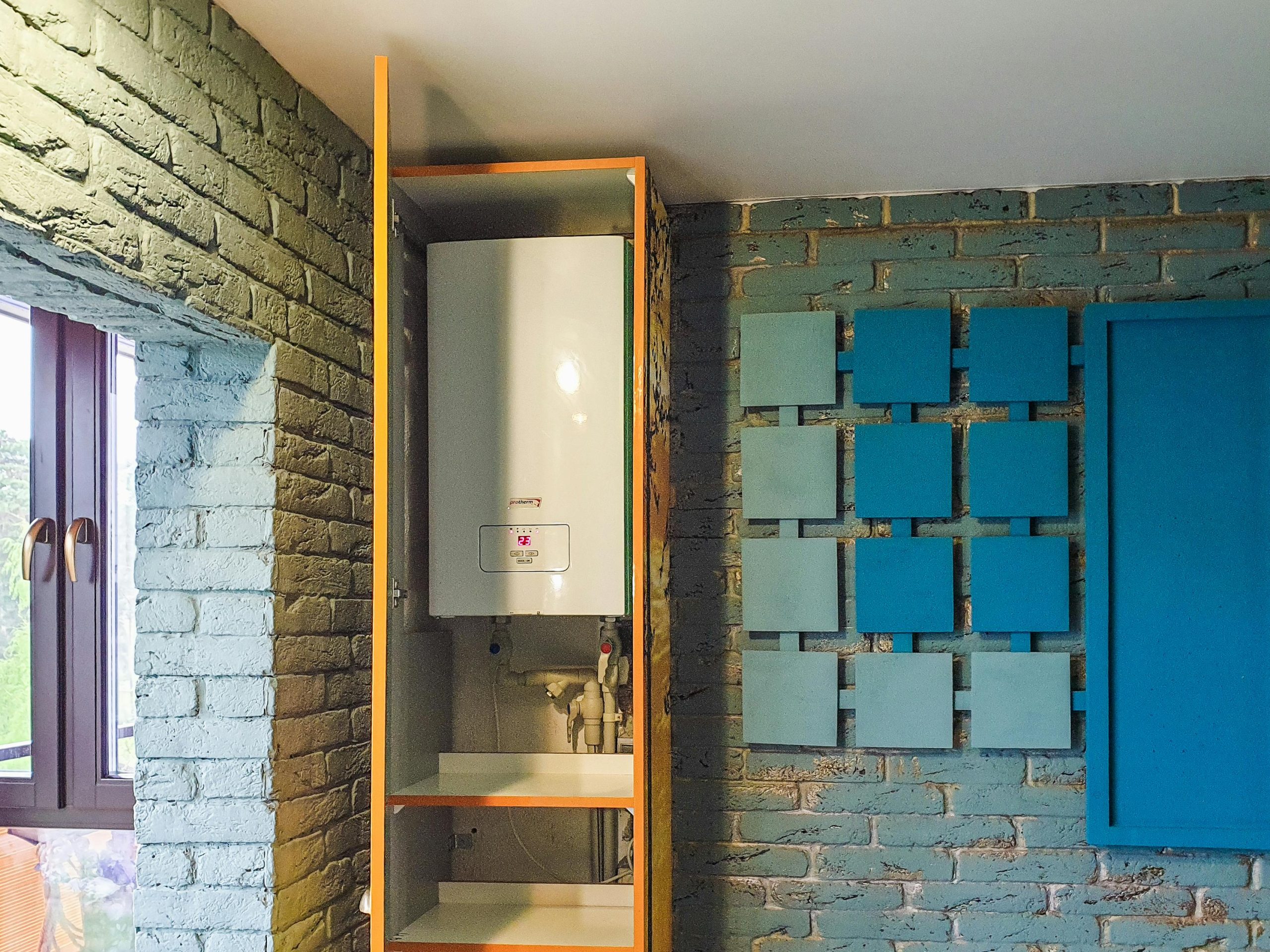
A reliable supply of hot water is something most households take for granted until it suddenly disappears. From morning showers to evening dishwashing, a properly functioning system supports daily comfort and sanitation. Over time, however, even the most dependable unit begins to show signs of wear. When repairs become frequent or performance declines, water heater replacement becomes a practical consideration rather than an optional upgrade.
Replacing a water heater is a significant home improvement decision. It involves evaluating your current system, recognizing warning signs, and selecting equipment that aligns with your household’s needs. By understanding the process and the factors involved, homeowners can approach the transition with clarity and confidence.
Recognizing the Signs of System Failure
Aging equipment often provides subtle warnings before it completely stops working. For example, inconsistent water temperatures, strange rumbling noises, and rusty or discolored water may indicate internal corrosion or sediment buildup. While occasional repairs may temporarily resolve these issues, recurring problems usually suggest deeper structural deterioration.
In addition, leaks around the base of the tank should never be ignored. Even a small amount of moisture can signal a compromised inner lining. As tanks age, internal rust weakens the metal, increasing the risk of rupture. When these issues persist despite maintenance, homeowners often consider replacing the water heater as a more cost-effective and reliable long-term solution.
Moreover, most traditional tank water heaters have an average lifespan of eight to twelve years. If your system falls within or beyond this range, declining efficiency may already be increasing energy bills. Evaluating the age of the unit alongside its performance helps determine whether continued repairs are worthwhile.
Evaluating the Benefits of Upgrading Equipment
Replacing an outdated system offers more than restored hot water. Newer models are designed to meet higher efficiency standards, which can lower energy consumption and reduce monthly utility costs. Advances in insulation, burner technology, and heating elements allow modern units to heat water faster and maintain temperature more consistently.
Furthermore, households that experience frequent demand for hot water may benefit from switching to a larger tank or exploring tankless options. Tankless systems, for instance, heat water on demand rather than storing it, which reduces standby energy loss. Although the upfront investment may be higher, the long-term savings and convenience can make water heater replacement a strategic upgrade.
Improved safety features also play a role in modernization. Contemporary units often include better temperature controls, pressure relief valves, and built-in safeguards that help prevent overheating. As building codes evolve, installing a newer system can also ensure compliance with current regulations.
Comparing Tank and Tankless Options
Choosing between a traditional tank water heater and a tankless system depends on several factors, including household size, usage patterns, and available space. Tank systems store a fixed volume of heated water, making them suitable for families with predictable demand. However, once the tank empties, users must wait for it to refill and reheat.
Tankless systems operate differently by heating water only when needed. This approach eliminates the limitation of stored capacity, offering a continuous supply. At the same time, installation may require electrical upgrades or gas line modifications, which can increase initial costs.
When evaluating these options, it is important to consider not only energy efficiency but also maintenance requirements. Tank systems typically need periodic flushing to remove sediment, while tankless units may require descaling to prevent mineral buildup. Carefully weighing these factors helps ensure that water heater replacement aligns with both immediate needs and long-term expectations.
Preparing for Installation and Compliance
Before replacing a water heater, homeowners should assess the installation area. Adequate ventilation, proper drainage, and sufficient clearance are essential for safe operation. In some cases, local building codes may require expansion tanks, seismic strapping, or updated venting systems.
Additionally, permits and inspections may be necessary depending on municipal regulations. Ensuring compliance protects homeowners from potential safety hazards and insurance complications. Professional installation is often recommended because incorrect connections can lead to leaks, gas issues, or electrical hazards.
The preparation phase also provides an opportunity to evaluate energy sources. Some homeowners consider switching from electric to gas, or vice versa, based on cost efficiency and availability. Although conversion may involve additional work, it can improve overall performance when carefully planned.
Considering Long-Term Maintenance and Efficiency
After installation, proper maintenance remains critical to maximizing lifespan and efficiency. Routine inspections, temperature checks, and sediment flushing can significantly extend the performance of the unit. Even with a new system in place, neglecting maintenance can shorten its operational life.
Energy efficiency should also remain a priority. Setting the thermostat to a moderate temperature, insulating exposed pipes, and monitoring water usage habits can prevent unnecessary strain on the system. Over time, these small adjustments contribute to consistent performance and lower utility expenses.
Importantly, keeping records of installation dates and service visits allows homeowners to track the system’s condition. When future concerns arise, these details simplify diagnostics and help determine whether repairs or another water heater replacement may eventually be required.
Making Informed Decisions About Replacement
Replacing a water heater is both a financial and a practical decision. While initial costs may seem substantial, the benefits of reliability, efficiency, and safety often outweigh the expense. Evaluating system age, recognizing warning signs, and understanding available options all contribute to a smoother transition.
Ultimately, proactive planning reduces the likelihood of emergency breakdowns. By staying attentive to performance changes and maintaining the system consistently, homeowners can make informed choices that support comfort and efficiency for years to come. Thoughtful preparation ensures that water heater replacement becomes a planned improvement rather than an urgent necessity.
