



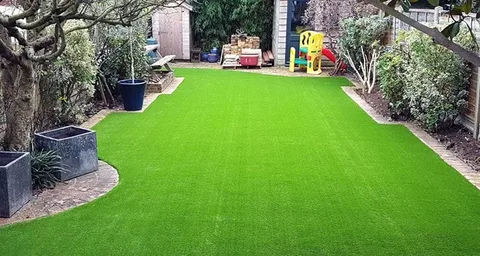
Edinburgh’s climate is famously unpredictable: one minute the sun is shining over the Castle, the next it’s horizontal rain blowing in from the Forth. For homeowners, landscapers, sports clubs and businesses across the city, creating and keeping a lush, green lawn that can withstand Scottish weather is a real challenge. This is where high-quality **grass turf comes in. Whether you’re renovating a tired garden in Morningside, laying a new pitch for a school in Liberton, or refreshing a commercial landscape in the West End, choosing the right grass turf and understanding local conditions is essential.
In this in-depth guide, we’ll cover everything you need to know about Grass turf in Edinburgh—from the different types available and how the local climate affects performance, to step-by-step installation advice, ongoing maintenance tips, and the growing popularity of artificial alternatives.
Why Edinburgh’s Climate Makes Turf Choice So Important
Edinburgh sits in a cool, temperate maritime zone. Average rainfall is around 700–800 mm per year, with damp autumns and winters, relatively mild temperatures (rarely dropping below −5 °C), and a growing season that runs roughly from March to October. The city also experiences strong winds, especially in exposed coastal areas like Portobello or Cramond.
These conditions favour certain grass species and disfavour others:
- Perennial ryegrass (Lolium perenne) – fast establishing, hard-wearing, excellent for family lawns and sports pitches.
- Smooth-stalked meadow grass (Poa pratensis) – good recovery from damage, tolerates shade well.
- Fescues (Festuca rubra spp.) – fine-leaved, drought-tolerant once established, ideal for ornamental lawns.
- Bentgrasses (Agrostis spp.) – used on golf greens, but too fine and high-maintenance for most domestic gardens.
The best turf suppliers in and around Edinburgh therefore offer blends specifically formulated for Scottish conditions—typically 60–80 % perennial ryegrass with fescue and meadow grass for shade tolerance and durability.
Types of Grass Turf Available in Edinburgh
- Premium Lawn Turf Fine-leaved, lush appearance, often containing dwarf ryegrass cultivars and fescues. Perfect for show gardens in Stockbridge or Grange.
- Family / Hard-Wearing Turf Higher ryegrass content. Designed to cope with children, dogs and Scottish barbecues. The most popular choice across the city.
- Shade-Tolerant Turf Higher proportion of Poa pratensis and Supina bluegrass. Essential for north-facing Edinburgh tenement gardens or properties under large trees.
- Sports Turf 100 % perennial ryegrass, often with TETRA or RPR (Regenerating Perennial Ryegrass) cultivars for rapid recovery. Used by schools, bowling clubs and amateur football teams.
- Wildflower Turf Increasingly popular for biodiversity-friendly gardens and council projects. Pre-grown meadow mix that can be laid like regular turf.
- Artificial Grass Turf While not “real” grass, modern artificial products are extremely realistic and require zero mowing or watering—an attractive option for rooftops, balconies and low-maintenance courtyards in the New Town.
Top Local Suppliers of Grass Turf in Edinburgh
Edinburgh and the Lothians are well served by specialist turf growers. Many grow their turf on sandy loam soils in East Lothian or Midlothian, harvesting it just 12–24 hours before delivery to guarantee freshness.
Some of the most respected names include:
- Q Lawns (based near Haddington) – huge range including shade and wildflower turf
- Tillers Turf (Scottish branch) – nationwide supplier with excellent ryegrass blends
- George Brown Turf – family-run, long-established in the Borders
- Edinburgh Turf & Landscape – local delivery and laying service
- Greenturf – budget and premium grades, same-day collection available
Most suppliers offer a full laying service if you don’t fancy doing it yourself.
How to Install Grass Turf in Edinburgh – Step by Step
- Planning & Ordering Measure your area accurately (most suppliers sell by the square metre or roll—typically 1 m² per roll). Order 5–10 % extra for cuts and wastage.
- Ground Preparation Remove old lawn, weeds and stones. Dig or rotovate to 15–20 cm. Level with a rake and consider installing drainage if your soil is heavy clay (common in parts of Corstorphine and Gorgie).
- Improve the Soil Spread a pre-turfing fertiliser and rake in. For very poor soils, incorporate quality topsoil or sandy loam.
- Laying the Turf Start along a straight edge (patio or path). Lay in a brick-bond pattern, staggering the joints. Butt joints tightly together but don’t stretch the turf. On slopes, lay perpendicular to the slope and peg if necessary.
- Watering & Aftercare Water within an hour of laying, and keep moist for the first 2 weeks. Avoid walking on it for at least2–3 weeks. First mow when roots have knitted (usually 3–4 weeks) at a high setting.
Seasonal Considerations for Edinburgh Turf
- Spring (March–May): Ideal laying period. Soil is warming, rainfall reliable.
- Summer (June–August): Can be done, but you must water diligently during dry spells (Edinburgh does get them!).
- Early Autumn (September–early October): Second-best window—warm soil, cooler air, plenty of rain.
- Winter: Generally not recommended unless mild and you can guarantee no frost for 4–6 weeks.
Long-Term Maintenance Tips for Edinburgh Lawns
- Mow regularly but never remove more than one-third of the leaf at once. In Edinburgh, most lawns need cutting from March to November.
- Feed 3–4 times per year: spring high-nitrogen, summer balanced, autumn low-nitrogen/high-potash.
- Aerate annually (especially on heavy soils) to relieve compaction from winter rain.
- Scarify in autumn to remove thatch—Edinburgh’s damp climate encourages moss and thatch build-up.
- Over-seed thin patches in spring or autumn with a matching ryegrass blend.
Artificial vs Natural Grass Turf in Edinburgh
While natural grass turf remains the gold standard for feel, smell and environmental benefits (cooling, biodiversity, carbon sequestration), artificial turf is gaining ground in certain situations:
- Tenement courtyards with almost no natural light
- Rooftop gardens (weight and drainage issues)
- Commercial entrances and school playgrounds needing year-round green
- Holiday homes or rental properties where maintenance is impossible
Modern artificial grasses drain well, look remarkably realistic and come with 10–15 year warranties. However, they do get hotter in direct sun and don’t offer the same ecological advantages.
The Future of Turf in Edinburgh
Edinburgh Council’s biodiversity strategy and the push for more sustainable urban green spaces mean we’re likely to see:
- More wildflower and native meadow turf in public parks
- Increased use of drought-tolerant cultivars as summers become warmer
- Greater adoption of robotic mowers and smart irrigation systems
Conclusion
Whether you’re after a bowling-green-perfect lawn in Murrayfield, a bomb-proof family garden in Currie, or a low-maintenance courtyard in the Old Town, choosing the right grass turf is the foundation of success in Edinburgh’s challenging climate. Work with a reputable local supplier, prepare the ground thoroughly, and commit to proper aftercare, and you’ll enjoy a lush, green lawn that can withstand Scottish weather for years to come.
For the widest selection, fastest delivery and expert laying services across the city and surrounding areas, explore quality Turf Edinburgh suppliers today—your perfect lawn is only a few rolls away.
