



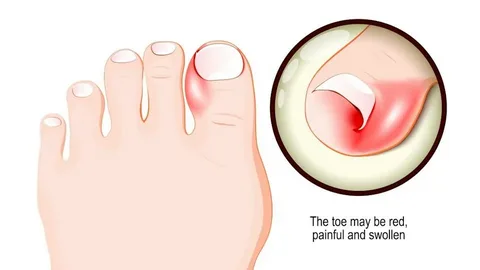
Persistent toe pain often gets brushed aside as a minor inconvenience, even as symptoms return again and again. Over time, repeated infections around the toenail can signal a deeper issue that simple home care cannot resolve. Recognizing these warning signs early helps prevent prolonged discomfort and more serious complications.
What Are the Signs of Chronic Issues
Recurring redness, swelling, and tenderness along the edge of a toenail often point to an ongoing problem rather than a one-time irritation. Chronic ingrown toenails typically present with skin that remains inflamed long after basic treatment, sometimes accompanied by drainage or thickened tissue around the nail. These signs suggest that the nail continues to grow into the surrounding skin, triggering repeated injury.
Long-standing issues may also show subtle changes that people overlook. Skin around the nail can become firm or overgrown as the body reacts to constant irritation. At this stage, seeking evaluation from an ingrown toenail doctor becomes important, as repeated infections rarely resolve without addressing the nail’s growth pattern.
Factors to Consider: Frequency of Pain
Occasional toe discomfort after trimming nails too short is common, but pain that returns regularly deserves attention. Frequent soreness, especially while walking or wearing shoes, indicates that the nail edge is repeatedly pressing into the skin. This ongoing pressure keeps the area vulnerable to infection.
Pain patterns also matter. Discomfort that worsens over time or flares up with minor activity may suggest structural changes in the nail or surrounding tissue. Many people begin searching for ingrown toenail removal near me when pain starts interfering with normal movement, signaling that conservative measures are no longer effective.
Why It Is Important to Treat Infections
Infections around the toenail are not limited to surface irritation. Bacteria can enter through small breaks in the skin, leading to persistent swelling and delayed healing. Treating these infections promptly reduces the risk of deeper tissue involvement and recurring flare-ups.
Ignoring repeated infections often allows inflammation to linger, which can slow recovery even between episodes. Proper ingrown toenail removal performed by a qualified ingrown toenail removal doctor addresses the root cause, helping the skin heal fully instead of cycling through repeated irritation.
What Happens If Infections Spread Untreated
Untreated infections can extend beyond the nail fold into surrounding tissue. In more advanced cases, redness and swelling may spread across the toe, increasing pain and limiting mobility. This progression can make treatment more complex and recovery longer.
In certain individuals, especially those with circulation or immune concerns, infections may become more serious. Seeking ingrown toenail removal Huntsville AL at the right time helps prevent complications that arise from prolonged bacterial exposure and tissue damage.
Consulting a Specialist for Proper Diagnosis
Self-diagnosis often misses important details. A specialist examines nail shape, growth direction, and surrounding tissue health to determine whether an ingrown toenail is causing repeated infections. This assessment ensures that treatment matches the severity of the condition.
A Huntsville ingrown toenail doctor can also rule out other causes of toe infections, such as fungal issues or skin conditions. Accurate diagnosis helps avoid unnecessary treatments and focuses care on resolving the underlying problem effectively.
Assessing Impact on Daily Mobility
Toe pain affects more than comfort; it influences balance, posture, and walking patterns. People with chronic toe infections may unconsciously shift weight to avoid pain, which can lead to strain in other areas of the foot or leg.
Over time, reduced mobility can limit participation in work, exercise, or daily activities. Addressing the issue through professional ingrown toenail removal restores normal movement and reduces the risk of secondary problems caused by altered gait.
Considering Underlying Health Conditions
Certain health conditions increase the likelihood of recurring toe infections. Diabetes, poor circulation, and immune disorders can slow healing and make infections harder to control. For these individuals, repeated ingrown toenails pose greater risks and require timely medical care.
A medical provider considers these factors when recommending treatment. Professional ingrown toenail removal offers a controlled solution that minimizes ongoing irritation, especially for patients whose health conditions make repeated infections more dangerous.
The Importance of Professional Intervention
Home remedies may offer temporary relief, but they rarely correct the nail’s growth pattern. Professional intervention focuses on removing the portion of the nail causing irritation and, when appropriate, preventing it from growing back incorrectly. This approach reduces recurrence and supports long-term comfort.
For those experiencing repeated infections, treatment through a qualified provider ensures safe care and proper healing; clinics such as The Foot Clinic offer professional options for managing chronic ingrown toenails effectively.
