



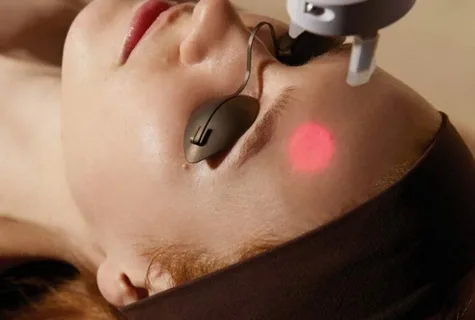
Hyperpigmentation affects millions of people worldwide, causing dark patches and uneven skin tone that can significantly impact confidence and self-esteem. Whether caused by sun exposure, hormonal changes, or post-inflammatory responses, these stubborn marks can be challenging to treat with conventional skincare alone. Fortunately, modern laser technology has revolutionized hyperpigmentation treatment, offering safe and effective solutions that deliver visible results.
Understanding Hyperpigmentation
Hyperpigmentation occurs when melanin—the pigment responsible for skin color—accumulates in certain areas, creating darker patches than the surrounding skin. This condition manifests in various forms, including melasma (often triggered by hormonal fluctuations), age spots (sun-induced damage), and post-inflammatory hyperpigmentation (resulting from acne or injuries). While not medically dangerous, these marks often prompt individuals to seek professional treatment for cosmetic reasons.
The challenge with hyperpigmentation is that it responds poorly to topical treatments alone. Sunscreen and lightening creams may provide minimal improvement, but they rarely address the deeper melanin deposits that create visible discoloration. This is where advanced laser technology becomes invaluable.
How Laser Treatment Works
Modern laser systems target melanin directly, using specific wavelengths of light that penetrate the skin without damaging surrounding tissue. The laser energy breaks down melanin clusters, which the body then naturally eliminates through its lymphatic system. This process is selective and precise, meaning healthy skin remains unaffected while only pigmented areas are treated.
Different laser types serve different purposes. Nd:YAG lasers work effectively on deeper pigmentation, while fractional lasers promote collagen remodeling alongside pigment removal. The choice of laser depends on skin type, pigmentation depth, and the specific condition being treated.
What to Expect During Treatment
A typical laser treatment session lasts between 15 to 30 minutes, depending on the area being treated. Patients experience minimal discomfort, often described as a light snapping sensation. Most people return to normal activities immediately afterward, though some may experience slight redness that typically subsides within hours.
Multiple sessions are usually recommended for optimal results. Most patients require between three to five treatments spaced four to six weeks apart, allowing the skin to heal and the body to eliminate treated pigment. Results become progressively more apparent with each session.
Results and Timeline
Patients typically notice initial improvement within two to three weeks of their first treatment, with pigmentation continuing to fade over subsequent months. By completing the full treatment course, most individuals achieve 70-90% pigmentation reduction. Results are long-lasting, though sun exposure can trigger new pigmentation, making diligent sun protection essential.
The timeline varies based on individual factors including skin type, pigmentation severity, and how well the skin responds to treatment. Darker skin types may require additional sessions but respond excellently to appropriately selected laser systems.
Choosing a Qualified Provider
The success of laser treatment depends heavily on the expertise of the practitioner. Qualified aesthetic specialists understand skin physiology, laser physics, and how to customize treatment protocols for individual patients. They can assess your specific condition, recommend the most appropriate laser system, and adjust settings to maximize safety and efficacy.
When selecting a provider, look for clinicians with extensive experience in laser treatments, proper credentials, and a track record of successful outcomes. A thorough consultation should include honest expectations about results, potential side effects, and the number of sessions likely needed.
Conclusion
Advanced laser treatment represents a breakthrough solution for hyperpigmentation, offering patients a safe, effective path to clearer, more even-toned skin. With proper treatment and sun protection, results can be dramatic and long-lasting. If you’re struggling with hyperpigmentation and seeking professional treatment, consulting with an experienced aesthetic specialist can help you understand your options and achieve the clear skin you deserve.
For those in London seeking expert melasma treatment London, state-of-the-art laser clinics offer comprehensive consultation and advanced laser technology to safely remove dark patches and restore even skin tone.
