



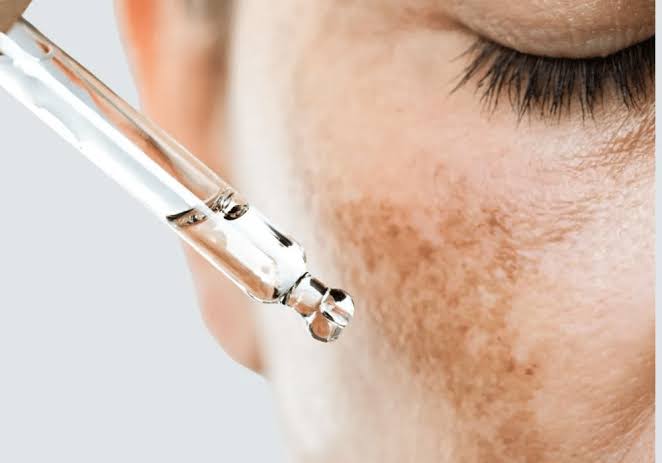
Healthy, glowing skin is something many people desire, but issues such as pigmentation and uneven skin tone can make achieving a smooth complexion challenging. These common skin concerns affect people of all ages and skin types. While they are usually harmless, they can impact confidence and appearance. Understanding the causes, treatment options, and prevention methods can help you maintain clearer and more even-looking skin.
What Is Pigmentation?
Pigmentation refers to the color of the skin, which is determined by a natural pigment called melanin. Melanin is produced by cells known as melanocytes. When these cells produce too much or too little melanin, it can result in discoloration, dark spots, or patches on the skin.
Common types of pigmentation include:
- Hyperpigmentation (dark patches)
- Melasma
- Sunspots or age spots
- Post-inflammatory pigmentation from acne or injuries
- Freckles
These conditions often contribute to pigmentation and uneven skin tone, creating visible differences in skin color.
Causes of Pigmentation and Uneven Skin Tone
There are several reasons why pigmentation and uneven skin tone develop. Some of the most common causes include:
1. Sun Exposure
Excessive exposure to UV rays stimulates melanin production. Over time, this can lead to dark spots and uneven coloring.
2. Hormonal Changes
Hormonal fluctuations during pregnancy, menopause, or due to certain medications can trigger melasma and other forms of pigmentation.
3. Acne and Skin Inflammation
Acne scars, cuts, burns, and skin irritation can leave behind dark marks known as post-inflammatory hyperpigmentation.
4. Aging
As people age, years of sun exposure can lead to age spots and changes in skin texture.
5. Genetics
Some individuals are naturally more prone to pigmentation issues due to hereditary factors.
Signs of Uneven Skin Tone
People experiencing pigmentation and uneven skin tone may notice:
- Dark patches on the face or body
- Redness in certain areas
- Acne marks that remain after healing
- Sunspots and freckles
- A dull or patchy complexion
Recognizing these signs early can help in selecting the right treatment.
Effective Treatments for Pigmentation
Modern skincare offers many solutions for managing pigmentation and uneven skin tone. The best treatment depends on the cause and severity of the condition.
Topical Treatments
Several skincare ingredients are known to improve skin tone:
- Vitamin C
- Niacinamide
- Retinol
- Azelaic acid
- Kojic acid
- Alpha hydroxy acids (AHAs)
These ingredients help reduce dark spots and promote brighter skin.
Chemical Peels
Chemical peels remove dead skin cells and encourage new skin growth, helping reduce discoloration.
Laser Treatments
Professional laser procedures target excess melanin and can improve stubborn pigmentation.
Microneedling
Microneedling stimulates collagen production and may help reduce acne marks and uneven texture.
Daily Skincare Tips
A consistent skincare routine plays an important role in managing pigmentation and uneven skin tone.
Use Sunscreen Every Day
Applying broad-spectrum sunscreen with SPF 30 or higher protects the skin from harmful UV rays and prevents dark spots from worsening.
Keep Skin Hydrated
Moisturized skin looks healthier and more radiant. Choose products suited to your skin type.
Avoid Picking at Acne
Touching or squeezing pimples can lead to inflammation and long-lasting pigmentation.
Use Gentle Products
Harsh products may irritate the skin and worsen discoloration.
Natural Remedies
Some people use natural ingredients to improve skin appearance, such as:
- Aloe vera
- Green tea extract
- Turmeric
- Licorice root
While natural remedies may offer mild benefits, professional treatments are often more effective for severe cases.
Prevention Is Key
Preventing pigmentation and uneven skin tone is easier than treating it. Wearing sunscreen, maintaining a healthy skincare routine, staying hydrated, and avoiding excessive sun exposure can help keep your skin looking even and healthy.
Final Thoughts
Pigmentation and uneven skin tone are common skin concerns that can result from sun exposure, hormonal changes, acne, aging, and genetics. Fortunately, many effective treatments and preventive measures are available. By understanding the causes and using the right skincare products and habits, you can improve your complexion and enjoy healthier, more radiant skin.