



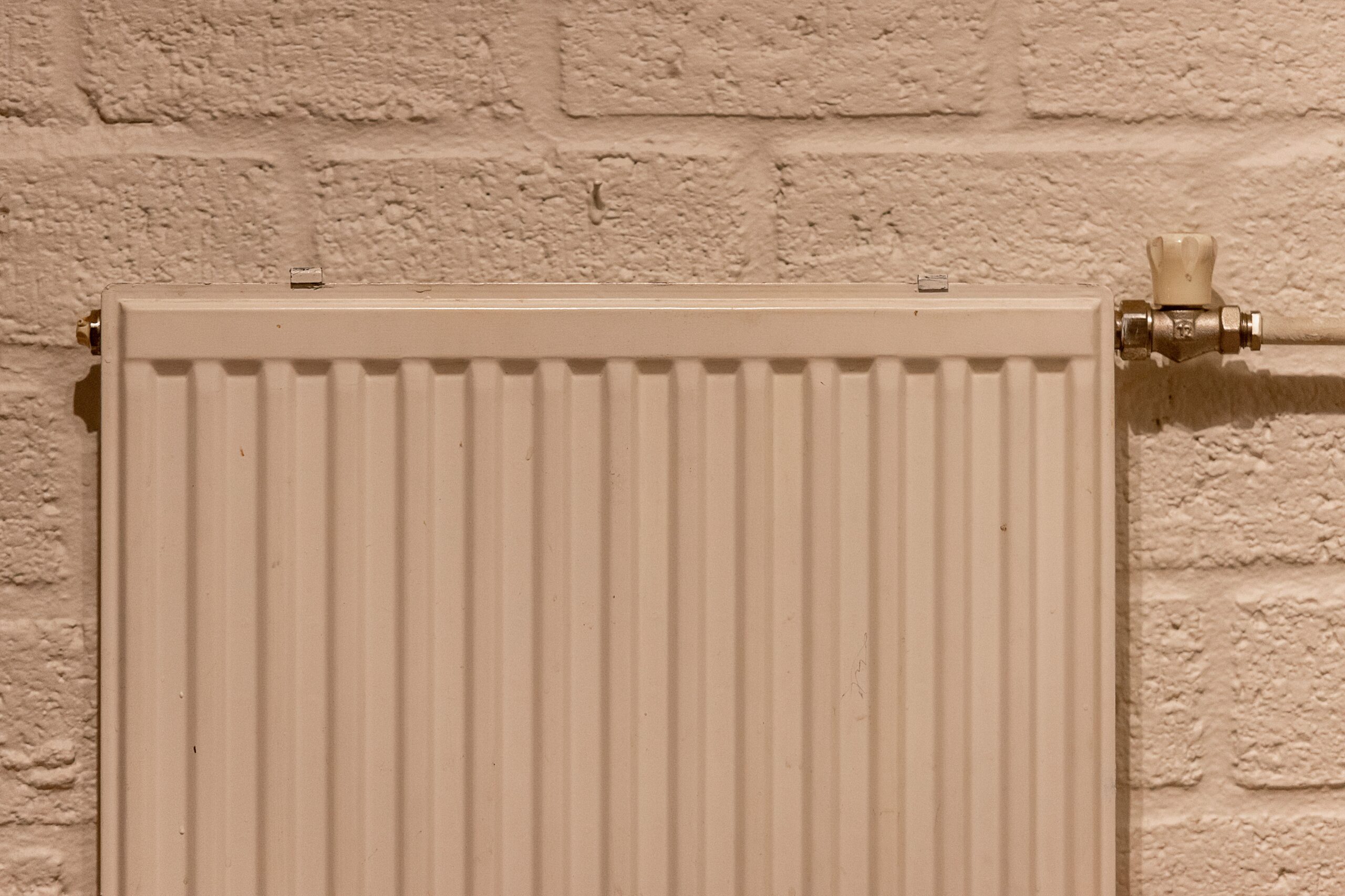
A dependable heating system does more than keep a house warm during cold weather. It helps maintain comfortable indoor temperatures, supports healthy indoor air quality, improves energy efficiency, protects plumbing from freezing conditions, and creates a more comfortable living environment throughout the heating season.
When an older system begins showing signs of wear or no longer meets household needs, many homeowners start considering heating installation as part of a long-term home improvement plan.
Installing a new heating system is an important decision because it affects comfort, energy use, maintenance costs, and overall home performance for many years. Understanding the installation process helps homeowners make informed choices while preparing for a smoother transition from an aging system to one that better meets the home’s current needs.
Evaluating Household Heating Needs
Every home has different heating requirements. The size of the house, insulation levels, window quality, ceiling height, local climate, floor plan, occupancy, and existing ductwork all influence how much heating capacity is necessary. Installing equipment without evaluating these factors may result in uneven temperatures, higher utility bills, unnecessary wear, or reduced comfort throughout the home.
Before beginning a heating installation, professionals typically evaluate the home’s heating demands rather than simply replacing the existing unit with one of the same size. Proper system sizing helps improve efficiency while reducing unnecessary strain on equipment during periods of heavy use.
Lifestyle also influences heating needs. Families who spend more time at home, frequently use multiple living areas, maintain different temperature preferences, or have finished basements and additions may benefit from heating solutions designed to provide more balanced comfort throughout the property.
Choosing the Right Heating System
Modern heating equipment offers homeowners several options depending on the home’s design and available energy sources. Furnaces remain one of the most common choices in many regions, while heat pumps, boilers, radiant heating systems, and hybrid systems may also provide effective solutions depending on climate and household preferences.
Energy efficiency has become an important consideration when selecting new equipment. Higher efficiency systems often use less energy while maintaining consistent indoor temperatures. Although installation costs may vary, improved efficiency can contribute to lower operating expenses over time when the system is properly maintained.
The home’s existing infrastructure also affects equipment selection. Ductwork condition, electrical capacity, ventilation requirements, fuel availability, thermostat compatibility, airflow design, and available installation space all influence which system best fits the property. Considering these factors before installation helps reduce unexpected adjustments later.
Preparing the Home for Installation
Preparing for a heating installation involves more than replacing the equipment itself. Existing ductwork should be inspected for leaks, restrictions, damage, accumulated debris, loose connections, insulation concerns, and airflow balance. Addressing these issues allows the new system to operate more efficiently while improving overall indoor comfort.
Ventilation also plays an important role. Proper airflow supports safe operation while helping heating equipment perform as intended. During installation, professionals often inspect exhaust systems, combustion air requirements when applicable, return air pathways, filter locations, drainage components, and thermostat placement to ensure the complete system functions together effectively.
Homeowners can also prepare by creating clear access to the installation area. Removing stored items around mechanical equipment, providing access to utility connections, protecting nearby furnishings, planning for temporary service interruptions, and discussing installation timelines with contractors helps the project move more smoothly from start to finish.
Supporting Long-Term Performance
A successful heating installation is only the beginning of the system’s service life. Regular maintenance helps preserve efficiency while reducing the likelihood of unexpected breakdowns during colder months. Routine inspections allow technicians to identify worn components before they develop into larger mechanical problems.
Air filters also deserve regular attention because they influence airflow throughout the heating system. Dirty filters may restrict circulation, reduce efficiency, increase equipment strain, affect indoor air quality, contribute to uneven temperatures, and shorten the lifespan of certain components. Replacing filters according to manufacturer recommendations supports healthier system performance.
Thermostat settings also influence long-term operation. Programmable or smart thermostats help maintain comfortable temperatures while reducing unnecessary energy use during periods when the home is unoccupied or household members are sleeping. Even small adjustments to temperature schedules can contribute to improved efficiency throughout the heating season.
Maintaining Comfortable Indoor Living
Heating systems work together with other parts of the home to create a comfortable indoor environment. Adequate insulation, properly sealed windows, weather-stripped doors, balanced ventilation, moisture control, and attic improvements all support better heating performance while reducing unnecessary energy loss.
Indoor comfort also depends on consistent system operation rather than constantly adjusting thermostat settings. A properly installed heating system maintains stable temperatures more effectively while reducing noticeable fluctuations between rooms. This creates a more comfortable environment for everyday activities throughout the colder months.
As homes continue becoming more energy efficient, heating equipment plays an increasingly important role in supporting overall household performance. Modern systems, combined with thoughtful installation and ongoing maintenance, help homeowners balance comfort, efficiency, reliability, operating costs, indoor air quality, and long-term equipment performance.
Achieving Lasting Home Comfort
Choosing a new heating system involves careful planning, informed decision-making, professional evaluation, proper sizing, quality installation, routine maintenance, and attention to the home’s overall energy performance. Every stage contributes to creating a system that provides dependable comfort while supporting efficient operation throughout its lifespan.
A well-planned heating installation benefits homeowners by improving indoor comfort while helping the heating system perform more consistently for years to come. When installation is matched with regular maintenance, proper airflow, good insulation, responsible thermostat use, and routine inspections, the entire home often becomes more comfortable and energy efficient.
Investing time in understanding the heating installation process allows homeowners to make informed choices that support both immediate comfort and long-term home performance. By considering household needs, selecting appropriate equipment, preparing the home carefully, maintaining the system regularly, and supporting overall energy efficiency, homeowners can enjoy reliable warmth and dependable performance through many heating seasons ahead.