



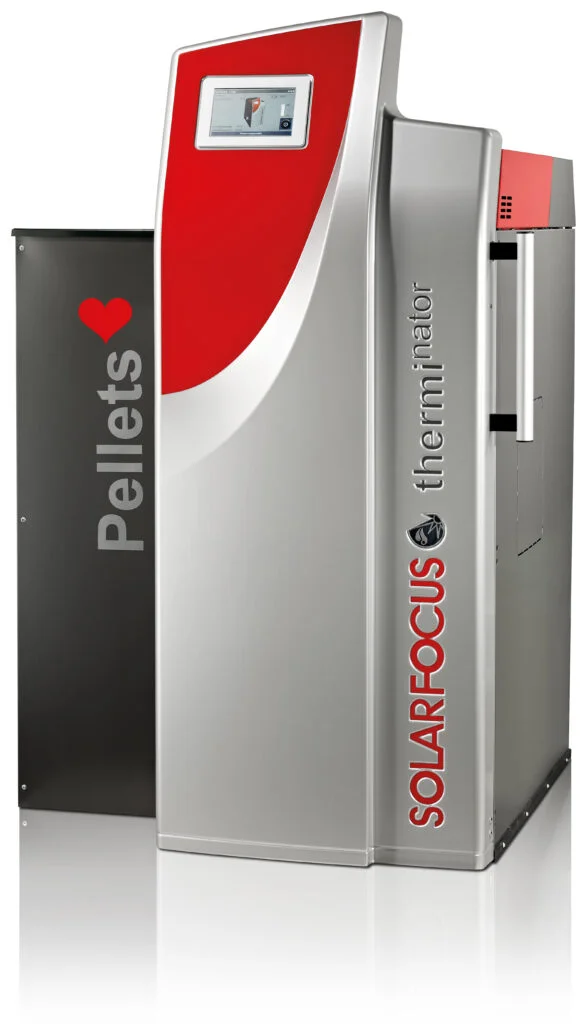
As homeowners across the United Kingdom increasingly seek sustainable and cost-effective heating solutions, biomass boilers have emerged as one of the most attractive alternatives to traditional gas and oil systems. These innovative heating systems burn organic materials — such as wood pellets, logs, and chips — to generate heat for your home and hot water supply. But with a growing number of models, fuel types, and configurations available on the market, choosing the perfect biomass boiler for your property can feel overwhelming.
This comprehensive guide will walk you through everything you need to know before making this important investment, helping you select a system that meets your heating demands, fits your budget, and aligns with your environmental goals.
Understanding How Biomass Boilers Work
At their core, biomass boilers function similarly to conventional boilers. They burn fuel to heat water, which is then circulated through your central heating system and taps. The key difference lies in the fuel source. Instead of burning fossil fuels like natural gas or oil, biomass boilers use renewable organic materials. This makes them a carbon-neutral heating option, as the carbon dioxide released during combustion is roughly equal to the amount absorbed by the plants during their growth cycle.
Modern biomass boilers are highly efficient, with many models achieving efficiency ratings of 90% or higher. They come equipped with advanced controls, automatic ignition systems, and self-cleaning mechanisms that make them surprisingly user-friendly despite their reliance on solid fuel.
Types of Biomass Boilers
Choosing the right type of biomass boiler is one of the first and most critical decisions you will face. There are three primary categories to consider:
Log boilers are the most traditional option. They burn seasoned logs and are best suited for homeowners who have access to a reliable and affordable supply of wood. These boilers require manual loading, typically once or twice a day, and need logs to be dried to a moisture content below 20% for optimal performance.
Wood pellet boilers are the most popular choice for domestic installations. Pellets are manufactured from compressed sawdust and wood waste, offering a consistent size, shape, and moisture content. This uniformity allows pellet boilers to operate with automatic fuel feed systems, thermostatic controls, and minimal user intervention. They are clean-burning, highly efficient, and ideal for homeowners who value convenience.
Wood chip boilers are generally better suited for larger properties, farms, or commercial applications. Wood chips are cheaper than pellets but bulkier and less uniform, requiring more storage space and more robust feeding mechanisms.
Sizing Your Biomass Boiler Correctly
One of the most common mistakes homeowners make is choosing a boiler that is either too large or too small for their property. An oversized boiler will cycle on and off frequently, reducing efficiency and increasing wear and tear. An undersized boiler will struggle to meet your heating and hot water demands, leaving your home cold during the winter months.
To determine the correct size, you need to assess your property’s total heat demand. This depends on several factors, including the size of your home, the level of insulation, the number of radiators, your hot water usage, and the local climate. A professional heat loss calculation is strongly recommended before purchasing any system.
As a rough guide, a small to medium-sized home typically requires a boiler rated between 15 kW and 30 kW, while larger homes or properties with poor insulation may need systems rated at 40 kW or more. A qualified heating engineer can provide a precise assessment tailored to your specific circumstances.
Fuel Availability and Storage Requirements
Before committing to a biomass boiler, give careful thought to fuel logistics. You will need a consistent and affordable supply of biomass fuel, as well as adequate space to store it.
Wood pellets can be delivered in bags or blown into a dedicated storage hopper. A typical household using a pellet boiler will consume between three and six tonnes of pellets per year, depending on the size of the property and heating habits. You will need a dry, accessible storage area — either a purpose-built hopper inside your home, a converted garage or shed, or an external silo.
Log boilers require a covered log store where wood can be properly seasoned. Ideally, you should have enough space to store at least one full season’s worth of fuel.
Consider the availability of suppliers in your area, delivery costs, and whether you have the physical space and access for regular deliveries. Rural homeowners often find biomass fuel easier and cheaper to source than those living in urban areas.
Installation Considerations
Installing a biomass boiler is more involved than fitting a standard gas boiler. You will need to account for several practical requirements:
Flue system: Biomass boilers require a suitable flue or chimney to safely vent combustion gases. The flue must meet building regulations and may need to be installed or modified by a specialist.
Plant room space: Biomass boilers are physically larger than gas or oil boilers. You will need a dedicated plant room or utility area with adequate ventilation and clearance around the unit for maintenance access.
Buffer tank and accumulator: Many biomass systems benefit from a thermal buffer tank or accumulator, which stores excess heat and helps the boiler operate at peak efficiency. This requires additional space.
Planning permission: In most cases, domestic biomass boiler installations fall under permitted development rights. However, if you live in a conservation area, a listed building, or a smoke control zone, you may need additional approvals. Always check with your local authority before proceeding.
Costs and Financial Incentives
The upfront cost of a biomass boiler is higher than that of a conventional gas or oil boiler. A fully installed domestic wood pellet boiler typically costs between £10,000 and £19,000, depending on the model, complexity of installation, and any ancillary equipment required.
However, the running costs can be significantly lower than oil or LPG heating, particularly for off-grid properties. Wood pellets currently cost considerably less per kilowatt-hour than heating oil, and prices tend to be more stable over time.
It is also worth exploring available government incentives and grants. Various schemes have been introduced over the years to encourage renewable heating adoption, and financial support may be available to offset part of your installation costs. Speak with a knowledgeable installer or check government websites for the latest information on eligibility and application processes.
Environmental Benefits
Choosing a biomass boiler is a positive step towards reducing your household carbon footprint. Biomass heating is considered carbon-neutral because the CO2 released during combustion is balanced by the CO2 absorbed during the growth of the fuel source. When sourced from sustainably managed forests and suppliers, biomass fuel represents a truly renewable energy source.
Additionally, modern biomass boilers produce very low levels of particulate emissions, especially when burning high-quality wood pellets. Many models are DEFRA-approved for use in smoke control areas, making them a viable option even in more regulated urban environments.
Maintenance and Longevity
Biomass boilers are robust and long-lasting, with a typical lifespan of 20 years or more when properly maintained. However, they do require more regular attention than gas boilers. Ash removal, although often automated in pellet boilers, still needs to be carried out periodically. Annual servicing by a qualified engineer is essential to keep the system running safely and efficiently.
When choosing your boiler, look for models with user-friendly maintenance features such as automatic de-ashing systems, self-cleaning heat exchangers, and clear diagnostic displays. These features can save you considerable time and effort over the life of the system.
Work With a Professional Biomass Boiler Engineer
Making the right choice when it comes to a biomass boiler is not something you should do alone. The complexity of sizing, fuel selection, installation requirements, and regulatory compliance means that professional guidance is invaluable. We strongly recommend speaking with an experienced biomass boiler engineer who can assess your property, discuss your heating needs, and recommend the most suitable system for your home.
Biomass boiler engineer at Proadvance in Reading, Berkshire is an excellent resource for homeowners considering biomass heating. With over 10 years of hands-on experience in biomass boiler servicing, installation, and maintenance, their specialist possess the in-depth knowledge and practical expertise needed to guide you through every stage of the process. From initial consultation and heat loss calculations to system design, installation, and ongoing support, Proadvance can provide you with comprehensive, tailored advice that ensures you invest in the right boiler for your specific needs. Partnering with a trusted professional like Proadvance gives you peace of mind that your biomass heating system will deliver reliable, efficient warmth for decades to come.
Frequently Asked Questions About Biomass Boiler
- How much can I save on heating bills with a biomass boiler?
Savings depend on your current fuel type and consumption patterns. Homeowners switching from oil or LPG heating can typically save between 20% and 40% on annual heating costs. Those replacing electric heating may see even greater savings. The exact amount will vary based on fuel prices, boiler efficiency, and your property’s heat demand. - How often does a biomass boiler need to be serviced?
A biomass boiler should be professionally serviced at least once a year. During the service, an engineer will inspect and clean the combustion chamber, check the flue system, test safety controls, and ensure the boiler is operating at optimal efficiency. Regular servicing extends the life of your boiler and helps prevent costly breakdowns. - Are biomass boilers suitable for all types of homes?
Biomass boilers can work in a wide range of properties, but they are particularly well-suited to larger homes, rural properties, and off-grid locations where mains gas is unavailable. Smaller homes may find space constraints challenging due to the size of the boiler and fuel storage requirements. A professional assessment will determine whether a biomass system is appropriate for your specific property. - What is the best fuel type for a domestic biomass boiler?
For most homeowners, wood pellets are the best choice. They offer the highest convenience, consistent quality, clean combustion, and compatibility with automatic feeding systems. Logs are a good alternative for those with access to cheap or free wood, while wood chips are generally better suited for larger-scale installations. - Do I need planning permission to install a biomass boiler?
In most cases, installing a domestic biomass boiler does not require planning permission, as it typically falls under permitted development rights. However, there are exceptions. If your property is a listed building, is located in a conservation area, or falls within a smoke control zone, you may need additional permissions. Always consult your local planning authority before beginning any installation work. - How long does a biomass boiler last?
A well-maintained biomass boiler can last 20 years or more. The longevity of your system depends on the quality of the boiler, the regularity of professional servicing, the quality of fuel used, and the conditions within your plant room. Investing in a reputable brand and committing to annual maintenance will help ensure your boiler delivers reliable performance for many years.