



Beekeeping is one of those pursuits that feels both timeless and modern. It connects you to nature, deepen your understanding of ecosystems, offers a sustainable way to support pollinators, and even provide honey and wax for personal use or small-scale sales. For complete beginners, it may seem intimidating, ut with the righbt guidance, it becomes a rewarding and surprisingly approachable hobby.
In this article, we’ll explore the essential steps to help you start your beekeeping journey with confidence. Let’s start!
Understanding the Role of Bees in Your Environment
Before you even purchase equipment, it’s important to understand why bees matter. Bees are critical pollinators, supporting agriculture and natural ecosystems by helping plants reproduce. When you begin beekeeping, you’re contributing to biodiversity and food security. Having this perspective helps you appreciate the responsibility involved, as your hive will play a small but meaningful role in the local environment.
Beginners also often find that learning about bee behavior makes it more approachable. You can learn how colonies organize themselves or how they forage, making the practical side of beekeeping easier to grasp and more exciting to see in person.
Choosing the Right Location for Your Hive
Location is one of the most important decisions you’ll make. Bees thrive in areas with access to flowering plants and minimal disturbance, like a sunny spot with some wind protection to keep the hive warm and dry.
At the same time, you’ll want to ensure the hive is placed where neighbors or pets won’t be at risk of accidental encounters. Many beginners underestimate how much space bees need to fly freely. It’s important to think carefully about positioning, to reduce stress on the colony and make your work as a beekeeper smoother and safer.
Selecting Equipment and Protective Gear
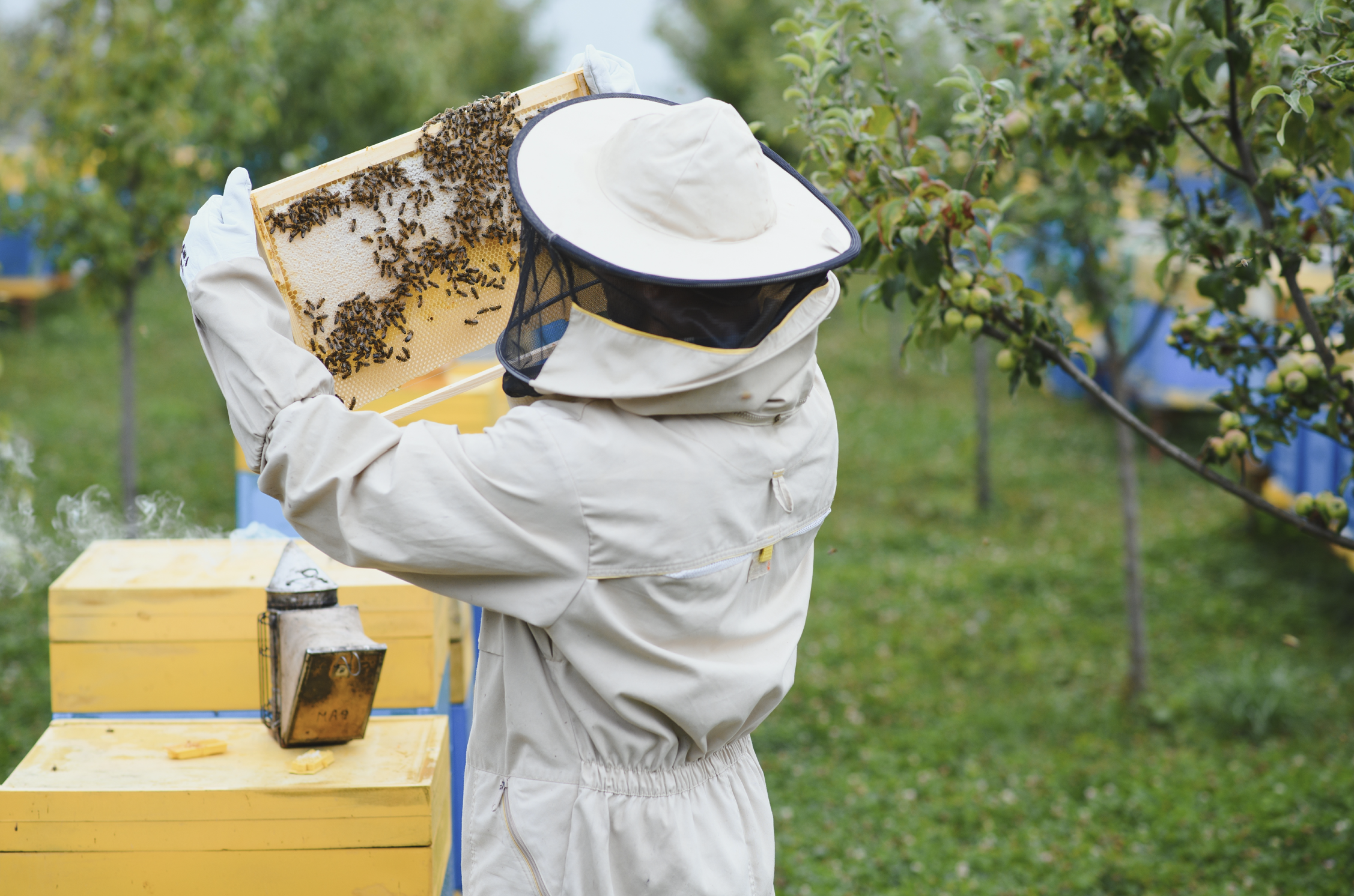
Starting requires some investment in basic equipment. A hive box, frames, smoker, and hive tool are essential, along with protective clothing such as a veil and suit.
While it may be tempting to cut corners, quality gear makes a noticeable difference in your safety and ease of handling bees. Protective gear is not just about avoiding stings. It also helps you feel more confident when working with your colony: confidence translates into calmer movements, which in turn keeps the bees less defensive. Beginners often discover that investing in reliable equipment early prevents costly mistakes later on.
Acquiring Your First Colony of Bees
The heart of beekeeping is, of course, the bees themselves. Beginners can start with a nucleus colony, also known as a “nuc,” or a package of bees, involving frames with brood and an established queen. Packages are more affordable but require more patience as the colony builds from scratch.
Live bees offered by professionals, like Meyer Bees, provide a good source for healthy colonies, which are great for beginner beekeepers. Buying from reputable providers ensures you’re starting with disease-free bees that are more likely to thrive. This step also sets the foundation for everything else you’ll do as a beekeeper.
Learning Hive Management and Seasonal Care
Once your bees are settled, the real work begins. Hive management involves regular inspections to check for brood development and honey stores. At this stage, you should learn how learn to recognize patterns in the hive, such as how the queen lays eggs or how workers store nectar, allowing you to anticipate the colony’s needs and respond with timely interventions.
Seasonal care is equally important, as bees face different challenges throughout the year. In spring, colonies expand rapidly; in summer, they focus on honey production; and in winter, they need protection and sufficient food reserves. Understanding these cycles helps you anticipate needs.
Building Knowledge Through Community and Resources
Beekeeping is not something you should attempt in isolation. Joining local beekeeping associations or online communities provides access to experienced mentors who can answer questions and share practical tips.
Books, courses, workshops, and forums also offer structured learning that complements hands-on experience. Beginners often find that hearing how others solved challenges, like dealing with swarms or preventing hive beetles, makes their own journey less daunting. Community support also reinforces the idea that beekeeping is part of a larger movement. These communities help by protecting pollinators by sharing knowledge, encouraging sustainable practices, fostering collaboration among beekeepers, and exchanging local techniques.
Preparing for Challenges and Staying Patient
Every beekeeper, no matter how experienced, faces setbacks. Colonies may swarm unexpectedly, queens may fail, pests may invade, or weather shifts may disrupt nectar flows. For beginners, these challenges can feel discouraging, but patience and a learning mindset are essential. Bees are resilient creatures, and with consistent care, most colonies recover.
Over time, you’ll develop instincts that make hive management more intuitive. Patience helps you grow as a beekeeper while deepening your appreciation for the complexity of bee life.
Conclusion
Starting beekeeping as a complete beginner is exciting and humbling; it requires preparation and a willingness to learn. The journey and experience connect you to nature in a way few hobbies can.
By choosing the right location, investing in quality equipment, sourcing healthy bees from trusted providers, and building knowledge through community, you’ll set yourself up for success. Beekeeping will become a fulfilling part of your life, offering a sense of contribution to something larger than yourself.