



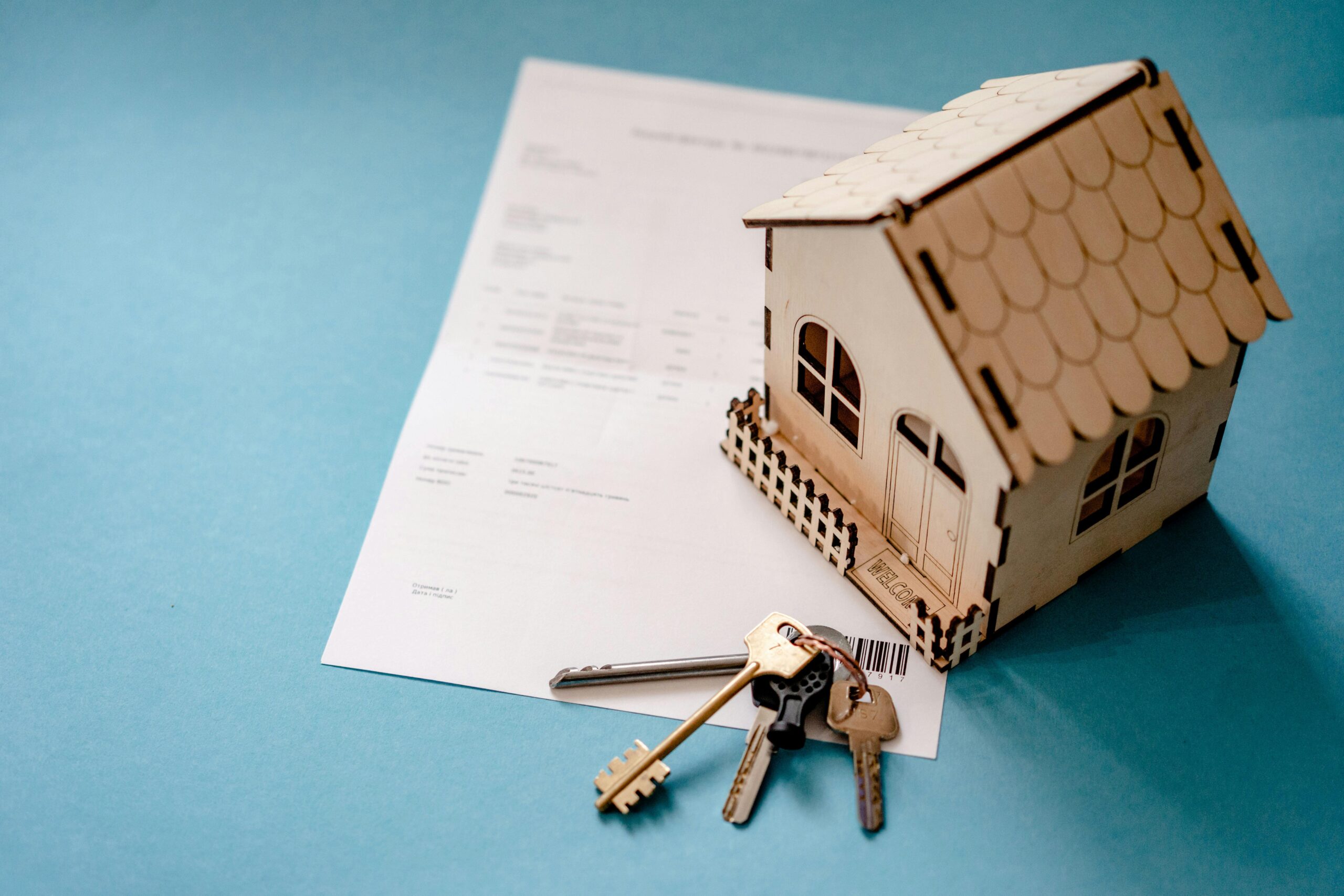
Home loans have become a central part of modern financial life, shaping how people approach homeownership and long-term investments. While they are often seen as a straightforward solution to buying property, the reality is far more layered. A home loan is not just a financial agreement—it’s a commitment that influences lifestyle, priorities, and future opportunities. Understanding its deeper advantages and drawbacks can help you make a decision that truly aligns with your goals.
Turning Time Into an Advantage
One of the most compelling benefits of a home loan is the ability to use time to your advantage. Instead of waiting years to save the full cost of a property, you can step into ownership earlier and begin benefiting from it right away. This early access can be especially valuable in areas where property prices steadily increase.
By securing a home sooner, you may avoid future price hikes and start building a financial foundation earlier in life. In this sense, a home loan is not just borrowing money—it’s accelerating a major life milestone that might otherwise take decades to achieve.
Creating a Sense of Stability
Owning a home through a loan often provides a level of emotional and practical stability that renting may not offer. There is a different sense of permanence when you know the space you live in is yours, even if it is financed.
This stability can influence everything from family planning to career decisions. It allows individuals to settle into a community, build relationships, and create a consistent environment. For many, this sense of grounding is just as valuable as the financial benefits of homeownership.
The Illusion of Affordability
While home loans make purchasing a property seem more accessible, they can also create an illusion of affordability. Monthly payments may appear manageable at first glance, but they often do not reflect the full cost of ownership.
Interest, insurance, taxes, and maintenance can significantly increase the actual financial burden. Without careful planning, borrowers may find themselves stretched thin, managing expenses that were not fully anticipated at the beginning. This highlights the importance of looking beyond the monthly payment and evaluating the total cost over time.
Interest as a Double-Edged Sword
Interest is what makes home loans possible, but it is also what makes them expensive. On one hand, it allows lenders to provide large sums of money upfront. On the other, it can dramatically increase the total amount paid for a home.
What many borrowers do not immediately realize is how much of their early payments go toward interest rather than the principal. This means that building equity can take time, especially in the first years of the loan. Understanding this dynamic helps set realistic expectations about how quickly ownership truly grows.
A Tool for Long-Term Wealth
Despite the cost of interest, home loans can still serve as a powerful tool for building long-term wealth. As property values rise and the loan balance decreases, homeowners gradually increase their net worth.
This wealth-building aspect is often more subtle than other investments but can be just as impactful. Over time, a home can become one of the most valuable assets a person owns, providing financial security and future opportunities such as refinancing or selling at a profit.
Reduced Financial Flexibility
A home loan can shape your financial decisions in ways you may not expect. Once you commit to a mortgage, a significant portion of your income is allocated to housing expenses. This can limit your ability to pursue other opportunities, such as starting a business, traveling extensively, or making spontaneous career changes.
This reduced flexibility is not necessarily negative, but it requires careful consideration. A mortgage anchors you financially, which can be beneficial for discipline but restrictive for those who value adaptability.
Responsibility Beyond the Loan
Taking on a home loan also means taking full responsibility for the property itself. Every repair, upgrade, or unexpected issue becomes your obligation. From roofing problems to plumbing repairs, these costs can arise without warning.
This level of responsibility can be empowering for some, as it allows complete control over the living space. For others, it can feel like an ongoing burden that adds to the financial and emotional weight of ownership. Understanding your comfort level with this responsibility is key before committing to a loan.
Exposure to Economic Changes
Home loans are closely tied to broader economic conditions. Interest rates, inflation, and housing market trends can all influence the cost and value of your investment. A rise in interest rates can make borrowing more expensive, while a downturn in the housing market can affect property values.
This exposure means that homeownership is not entirely within your control. External factors can impact your financial position, making it important to consider not just your current situation but also potential future scenarios.
A Structured Path to Discipline
On a more positive note, a home loan can introduce a structured approach to financial management. The regularity of payments encourages budgeting, planning, and prioritization. Over time, this discipline can strengthen overall financial habits.
For many people, this structure becomes a foundation for broader financial stability. It creates a routine that reinforces responsibility and long-term thinking, which can be beneficial in other areas of life as well.
Conclusion
Home loans are neither purely beneficial nor entirely burdensome—they exist somewhere in between. They offer the opportunity to achieve homeownership sooner, build wealth, and create stability, but they also come with long-term commitments, financial pressures, and external risks.
The key to making a smart decision lies in understanding these nuances. A home loan should align with your lifestyle, financial capacity, and future plans, rather than simply being seen as the default path to owning property.
By approaching the decision with clarity and awareness, you can determine whether a home loan is the right step for you—not just today, but for the years ahead.