



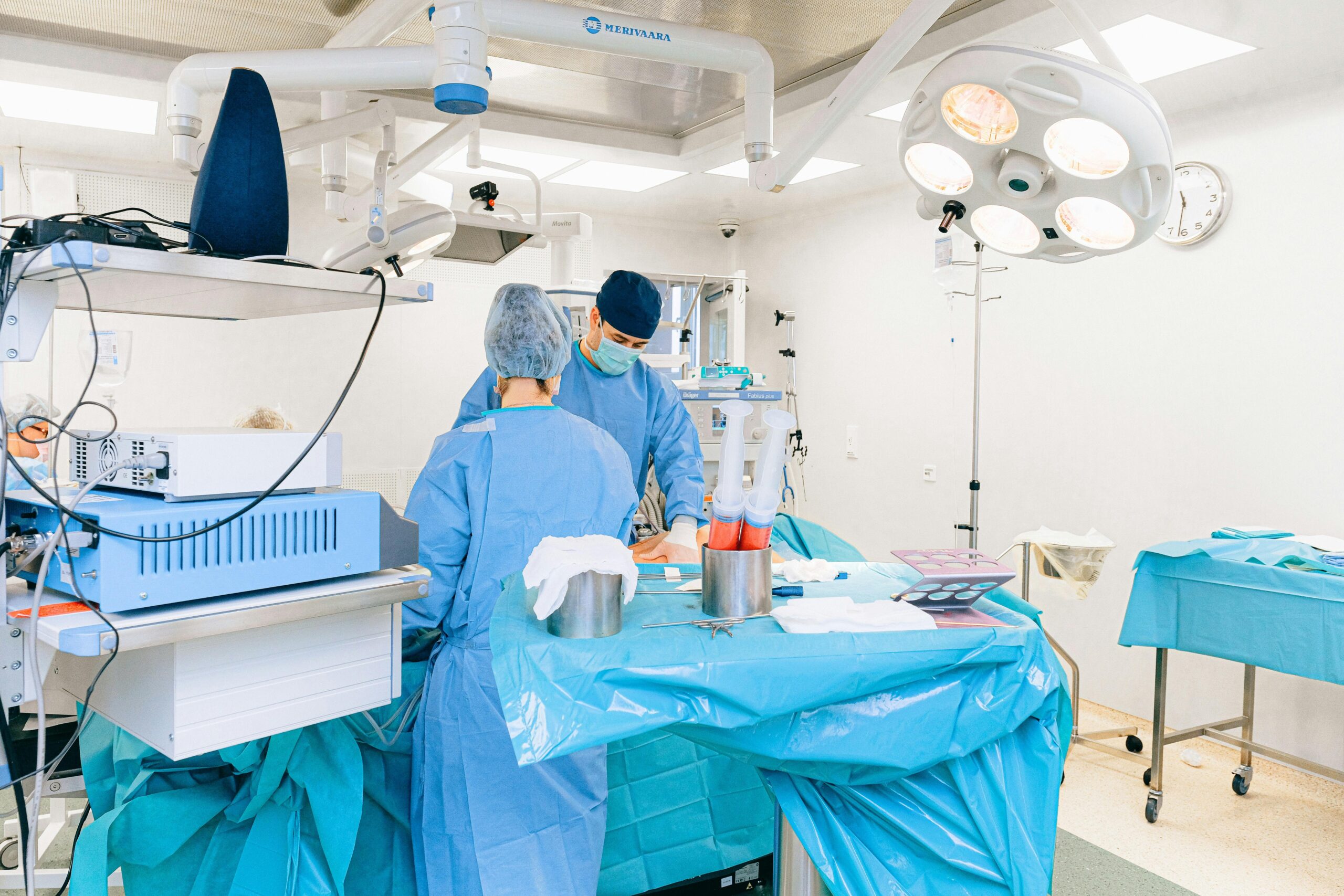
Facing a diagnosis that involves your colon can feel like being dropped into a complex maze without a map. You might think your journey starts and ends with one doctor, but modern medicine relies on a “team-of-teams” strategy. This coordinated effort ensures every decision about your health is vetted by experts from different fields.
By bringing together various viewpoints, your care becomes a comprehensive strategy rather than just a series of appointments. Your surgeon acts as a key player in a larger ensemble rather than a lone wolf. This collaborative environment reduces the risk of missed details while prioritizing your physical and emotional health.
Aligning the Clinical Strategy
The foundation of great care starts with the “Tumor Board,” a high-level strategy meeting where doctors discuss your specific case. Your surgeon sits down with oncologists, radiation experts, and pathologists to review your scans and biopsies. They debate the best path forward, ensuring the timing of your surgery aligns perfectly with other necessary treatments.
This coordination is vital because the sequence of care matters just as much as the treatment itself. For instance, a colon surgery specialist might consult an oncologist to see if shrinking a tumor with chemotherapy before the operation is safer. By working in tandem, they create a seamless transition through your recovery without any gaps in communication.
Integrating Surgical Precision with Oncology
During the procedure, the surgeon focuses on removing the affected tissue while prioritizing your oncologist’s future goals. They aren’t just addressing the immediate problem; they are ensuring your body heals well enough to tolerate further treatments. This foresight is crucial for maintaining your strength and keeping your immune system resilient throughout the entire process.
Your oncology team relies on the surgeon to provide “clean margins,” which means no traces of the illness remain at the edges of the removed area. The surgeon also harvests lymph nodes, which act as internal security checkpoints, for a pathologist to examine. These findings dictate how the oncologist will tailor your follow-up care, making the surgery a cornerstone of your long-term plan.
Prioritizing Personalized Patient Support
Beyond the operating room, a multi-disciplinary team focuses on your daily quality of life. This group includes specialized nurses, nutritionists, and social workers who help you navigate the logistics and emotional toll of treatment. They serve as the glue holding the clinical plan together, ensuring you feel like a person rather than a chart number.
These support systems address side effects that might not show up on blood tests but affect your comfort. For example, a nutritionist might work with the surgeon to design a “low-residue” diet featuring easy-to-digest foods for your healing colon. Having these experts involved allows your surgeon to focus on technical recovery while the rest of the team prioritizes your holistic well-being.
Managing the Post-Operative Phase
Recovery doesn’t end when the stitches come out; it actually marks the beginning of a rigorous surveillance period. Your surgeon and oncologist share a calendar of follow-up scans and blood tests to monitor your progress over the coming years. This shared vigilance means that if any concerns arise, the team can react instantly because they are already on the same page.
Shared electronic records allow your doctors to see each other’s notes in real-time, preventing you from repeating your history at every visit. If a radiologist sees something unusual on a scan, your entire team is notified simultaneously to discuss the next steps. This proactive monitoring provides a safety net that lets you focus on returning to your normal routine with peace of mind.
Strengthening the Long-Term Outlook
As you move further away from the date of your procedure, the focus shifts toward maintaining your health and preventing future issues. Your team will collaborate on a survivorship plan, which is a personalized document that outlines your treatment history and future wellness goals. This plan serves as a permanent record that helps your primary care doctor stay informed about your specialized needs.
The ultimate goal of this multi-disciplinary partnership is to return you to a life that isn’t defined by your diagnosis. By combining surgical skill with oncological expertise and supportive care, the team builds a bridge back to your regular activities. You aren’t just surviving a procedure; you are benefiting from a collective brain trust dedicated to your long-term success.
Conclusion
Navigating a complex health journey is never easy, but you don’t have to do it alone. The multi-disciplinary approach transforms a daunting medical process into a structured, supportive experience led by experts who talk to one another.
When your surgeon, oncologist, and support staff work as a single unit, you receive the most balanced and effective care possible. This collaborative spirit is the gold standard of modern medicine, ensuring that every angle of your health is protected by a team that truly has your back.