



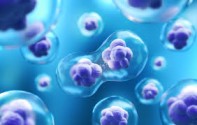
The human body operates as a remarkably efficient biological machine, constantly regenerating its own cellular components to sustain life. At the core of this regenerative capability is the bone marrow, the soft, spongy tissue residing within the hollow centers of larger bones. Here, a relentless biological production line churns out billions of red blood cells, white blood cells, and platelets every single day. However, when this critical manufacturing center unexpectedly halts production, the resulting condition is a severe and life-threatening medical emergency known as aplastic anemia. Navigating this complex diagnosis requires highly specialized medical intervention, often culminating in advanced cellular therapies to rebuild the body’s depleted defenses from the ground up.
The Pathophysiology of the Empty Marrow
Aplastic anemia is fundamentally classified as a bone marrow failure syndrome. Unlike hematological malignancies such as leukemia, where abnormal and cancerous cells crowd the marrow, aplastic anemia is characterized by a hypocellular or “empty” marrow. The hematopoietic stem cells—the vital, immature precursor cells responsible for generating all blood lineages—are inexplicably destroyed or suppressed. Consequently, the marrow space is left barren, eventually filling with fat cells rather than active, blood-producing tissue.
This cellular void leads to a dangerous clinical state known as pancytopenia, which is a precipitous drop across all three major blood cell counts. The lack of red blood cells (erythrocytes) causes profound fatigue, weakness, and severe cardiovascular strain as the body struggles to oxygenate its tissues. The absence of white blood cells (leukocytes, specifically neutrophils) leaves the patient entirely defenseless, transforming even the mildest bacterial or fungal encounters into potentially fatal systemic infections. Finally, the depletion of platelets (thrombocytes) creates a severe risk for spontaneous, uncontrollable hemorrhage, presenting as unexplained bruising, petechiae, or internal bleeding.
In the vast majority of acquired aplastic anemia cases, the underlying trigger is an aberrant autoimmune response. The patient’s own cytotoxic T-cells erroneously identify the marrow’s hematopoietic stem cells as foreign invaders and launch a devastating, targeted attack, effectively shutting down the entire blood-forming system.
The Shift Toward Regenerative Intervention
While initial treatments often involve aggressive immunosuppressive drug therapies—such as anti-thymocyte globulin (ATG) combined with cyclosporine—these regimens are not universally effective. Immunosuppression aims to halt the autoimmune attack and allow the surviving marrow to recover, but it does not replace the stem cells that have already been permanently lost. This leaves some patients with a chronic, incomplete recovery and a persistently high risk of relapse or clonal evolution into other blood disorders.
For these individuals, particularly younger patients and those diagnosed with severe or very severe classifications of the disease, regenerative medicine provides a definitive, curative pathway. The application of a STEM CELL Aplastic Anemia treatment protocol is designed to achieve what pharmacological medications cannot: the complete replacement of the defective, overactive immune system and the physical repopulation of the barren bone marrow with healthy, vigorous precursor cells.
Navigating the Transplant Trajectory
The cornerstone of this curative treatment is the allogeneic hematopoietic stem cell transplant. This extraordinarily complex procedure relies entirely on sourcing healthy stem cells from a genetically compatible donor. The ideal scenario involves a fully matched sibling, as a perfect Human Leukocyte Antigen (HLA) match significantly minimizes the inherent risks of immune rejection and severe post-transplant complications. When a sibling donor is unavailable, medical teams utilize expansive international registries to locate a matched unrelated donor (MUD) or consider haploidentical (half-matched) family donors.
The transplant trajectory begins with a rigorous, heavily monitored conditioning phase. The patient receives carefully calibrated doses of chemotherapy and specialized immunosuppressive agents. Crucially, in the context of aplastic anemia, the primary goal of this conditioning is not to eradicate malignant cancer cells—as there is no cancer present—but rather to profoundly suppress the host’s remaining immune system to prevent it from rejecting the incoming donor cells.
Following the completion of the conditioning regimen, the harvested donor stem cells are infused directly into the patient’s bloodstream through a central venous catheter. Guided by an elegant biological mechanism known as “homing,” these infused cells independently migrate from the peripheral blood into the hollow bone marrow cavities. Once they settle in these spaces, they begin the critical phase of engraftment, initiating the slow, steady production of new, healthy blood cells.
The Necessity of Advanced Clinical Infrastructure
Managing a patient through the vulnerable phases of a stem cell transplant requires an extraordinary level of clinical infrastructure and environmental control. During the pre-engraftment period, the patient possesses virtually no immune defense, rendering them highly susceptible to life-threatening opportunistic infections. Premium healthcare institutions, such as Liv Hospital, are equipped with the specialized HEPA-filtered isolation units, stringent barrier nursing protocols, and advanced pharmacological resources necessary to protect patients during this highly precarious clinical window.
Furthermore, these multidisciplinary teams must remain constantly vigilant for Graft-versus-Host Disease (GVHD), a perilous scenario where the newly acquired donor immune cells recognize the recipient’s healthy tissues as foreign and launch an attack. Mitigating this risk requires profound, ongoing expertise in hematology, immunology, and the delicate titration of targeted immunosuppressive therapies.
Rebuilding Immunity and Embracing Recovery
The timeline for comprehensive recovery extends far beyond the initial hospital discharge and engraftment milestones. As the newly acquired immune system slowly matures over several months to a year, patients must adhere to highly stringent hygiene protocols, precise medication schedules, and targeted nutritional plans to protect their regenerating bodies. This transitional phase transforms an acute medical procedure into a rigorous, ongoing lifestyle adjustment, requiring immense physical discipline and psychological resilience. Patients must carefully navigate their daily environments to avoid microscopic pathogens while simultaneously committing to rebuilding their physical stamina and muscular strength. Integrating supportive, health-conscious habits into this delicate post-transplant phase is vital for securing long-term health and systemic stability. Resources that explore the critical intersection of daily habits, optimized nutrition, and emotional well-being, such as live and feel, offer indispensable guidance for individuals seeking to actively nurture their newly restored immune systems and maintain a vibrant, resilient life moving forward.