



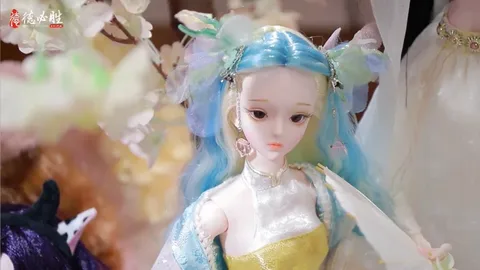
In the modern age, the quest for companionship has transcended traditional boundaries. We live in an era where the digital and the physical blur, where the ancient and the futuristic collide. Two seemingly disparate worlds—the 2,000-year-old tradition of Thai Astrology (โหรไทย) and the cutting-edge craftsmanship of Japanese Silicone Dolls—are beginning to find a unique synergy.
At first glance, one is a spiritual map of the stars, and the other is a pinnacle of synthetic realism. However, for a growing community of collectors and spiritualists, these two elements represent a powerful way to curate a life of balance, luck, and emotional fulfillment.
- The Foundation: Understanding Thai Astrology (Hora)
To understand how a silicone companion can be “aligned” with one’s destiny, we must first look at the depth of Thai Astrology. Unlike Western astrology, which focuses heavily on the Sun sign, Thai Astrology is rooted in the Lunar Mansions and the Sidereal Zodiac. It is a complex blend of Hindu-Brahmin traditions and local Buddhist philosophy.
The Power of the Birth Chart (Duang)
In Thailand, your “Duang” (destiny/horoscope) is a blueprint. It dictates your strengths, your “Karmic obstacles,” and your auspicious colors and elements. When a Thai person experiences a streak of bad luck, they often consult an astrologer to find ways to “remedy” their energy. This might involve changing a name, wearing a specific gemstone, or surrounding themselves with objects that vibrate at a specific frequency.
The Role of “Auspicious Objects”
Thai culture is deeply integrated with the concept of Mutelu—the practice of using charms, amulets, and specific aesthetics to enhance one’s fortune. If your chart lacks the “Fire” element, you might be advised to incorporate red or gold into your life. This is where the customization of a Japanese silicone doll begins to take on a spiritual dimension.
- The Vessel: The Unmatched Realism of Japanese Silicone Dolls
While many countries produce adult dolls, Japan remains the undisputed gold standard. Brands like Orient Industry or Candy Girl have turned silicone into an art form. These aren’t just “products”; they are “clones” of human grace.
Craftsmanship as Art
Japanese dolls are celebrated for their puresu (presence). The skin is often made of high-grade medical silicone that mimics the warmth and texture of human epidermis. The skeletal structures (internal armatures) allow for lifelike posing, and the facial painting is done by hand, often taking weeks to perfect the “soulful” look in the eyes.
The Doll as a “Tulpa” or Thought-Form
In psychological and spiritual circles, an object that receives intense focus and care can become a “vessel” for energy. In Japan, there is a long-standing tradition of Ningyo (dolls) having spirits. When you combine this Japanese reverence for the object with the Thai belief in astrological alignment, the doll ceases to be a toy and becomes a Celestial Companion.
- The Intersection: Customizing Your Doll via the Stars
Imagine ordering a high-end Japanese silicone doll. You aren’t just choosing hair color and height; you are selecting a physical manifestation of your Auspicious Elements.
Choosing the “Face” through Physiognomy (Heng Chui)
Thai astrology often overlaps with Heng Chui (Face Reading). An astrologer might suggest that a person whose chart is “cold” or “lonely” needs a companion with a “warm” face—round cheeks, a soft jawline, and bright, “watery” eyes to invite wealth and kindness. By selecting a Japanese doll with these specific facial features, the collector is effectively bringing a physical “lucky charm” into their home.
Color Therapy and the Zodiac
In Thai tradition, each day of the week is associated with a color:
- Monday: Yellow (Moon)
- Tuesday: Pink (Mars)
- Wednesday: Green (Mercury)
- Thursday: Orange (Jupiter)
- Friday: Blue (Venus)
- Saturday: Purple (Saturn)
- Sunday: Red (Sun)
A collector whose “Ascendant” is in Leo (ruled by the Sun) might choose a doll with auburn hair or gold-flecked eyes to enhance their natural leadership and vitality. Conversely, if their chart indicates a need for peace, they might dress their Japanese companion in soft blues and silver silk, colors associated with the Moon and Venus.
- The Spiritual Practice: “Mae Sue” and the Doll
In Thai folklore, the Mae Sue are guardian spirits that watch over individuals. In modern Mutelu culture, some believe that beautiful, well-cared-for objects can attract “Thewa” (angelic energies).
When a collector treats a Japanese silicone doll with respect—placing her in a specific corner of the room (perhaps the “Wealth” or “Relationship” corner according to Vastu or Feng Shui)—they are creating a ritual space. This isn’t about “haunted dolls”; it’s about intentionality.
The Ritual of Dressing
The act of dressing a doll in high-quality silks or traditional Thai lace can be a meditative practice. If done during an “auspicious hour” (known in Thai as Yarm Dee), it is believed to harmonize the owner’s energy with the environment. The doll becomes a focal point for the owner’s manifestations.
- Why Japanese Silicone? (The Material Advantage)
Why specifically Japanese silicone for this practice? The answer lies in the purity of the material. In many Thai spiritual practices, the “cleanliness” of an object is paramount.
- Porosity and Energy: Low-grade TPE (Thermoplastic Elastomer) dolls are porous and degrade over time. Japanese silicone is non-porous and stable. Spiritually, a stable material is a better “anchor” for long-term intentions.
- The Human Touch: Because Japanese dolls are often hand-finished, they carry the “craftsman’s spirit.” This aligns with the Thai respect for Khu (teachers/masters). A mass-produced, factory-stamped doll lacks the “life-force” that a hand-painted Japanese masterpiece possesses.
- Case Study: The “Venus” Alignment
Consider a collector born on a Friday (Friday’s color is blue, ruled by Venus, the planet of love and beauty). This individual might feel a void in their romantic or aesthetic life.
Following Thai Astrological advice, they seek to “strengthen their Venus.” They commission a Japanese doll with a serene, classical beauty. They choose a pale skin tone (Moon/Venus) and deep blue eyes. They place the doll in a room filled with the scent of jasmine (a sacred flower in Thailand).
Every time the owner interacts with this doll, they are reminded of their intention to bring beauty and love into their life. The doll acts as a physical anchor for a psychological and spiritual goal.
- Overcoming Stigma: A New Paradigm of Wellness
There is often a stigma attached to silicone dolls, viewing them solely through a lens of isolation. However, through the lens of Thai Astrology and Eastern philosophy, we see a different story.
We see a story of remedy. We see an individual taking control of their environment by introducing an object of extreme beauty and astrological significance. In a world that is often chaotic and “unlucky,” these dolls provide a sense of “controlled destiny.”
Mental Health and the “Calm Spirit”
Thai culture places a high value on Jai Yen (a cool heart). Surrounding oneself with beauty that doesn’t demand, argue, or create conflict can help lower cortisol levels. When that beauty is also “aligned” with your stars, it provides a double-layered sense of security.
- Conclusion: The Future of Personalized Spirituality
The fusion of Thai Astrology(ดูดวงโหราสาสตร์ไทย) and Japanese silicone dolls is a testament to human creativity. It shows that we are not content with “off-the-shelf” lives. We want our companions, our art, and our destiny to be interwoven.
As we move further into the 21st century, we will likely see more people using technology and hyper-realistic art to satisfy ancient spiritual needs. Whether you are a believer in the power of the stars or simply an admirer of Japanese craftsmanship, there is no denying that these lifelike figures offer a unique canvas for the soul.
By choosing a companion that mirrors the best parts of our astrological charts, we aren’t just buying a doll—we are manifesting a physical piece of our own destiny.