



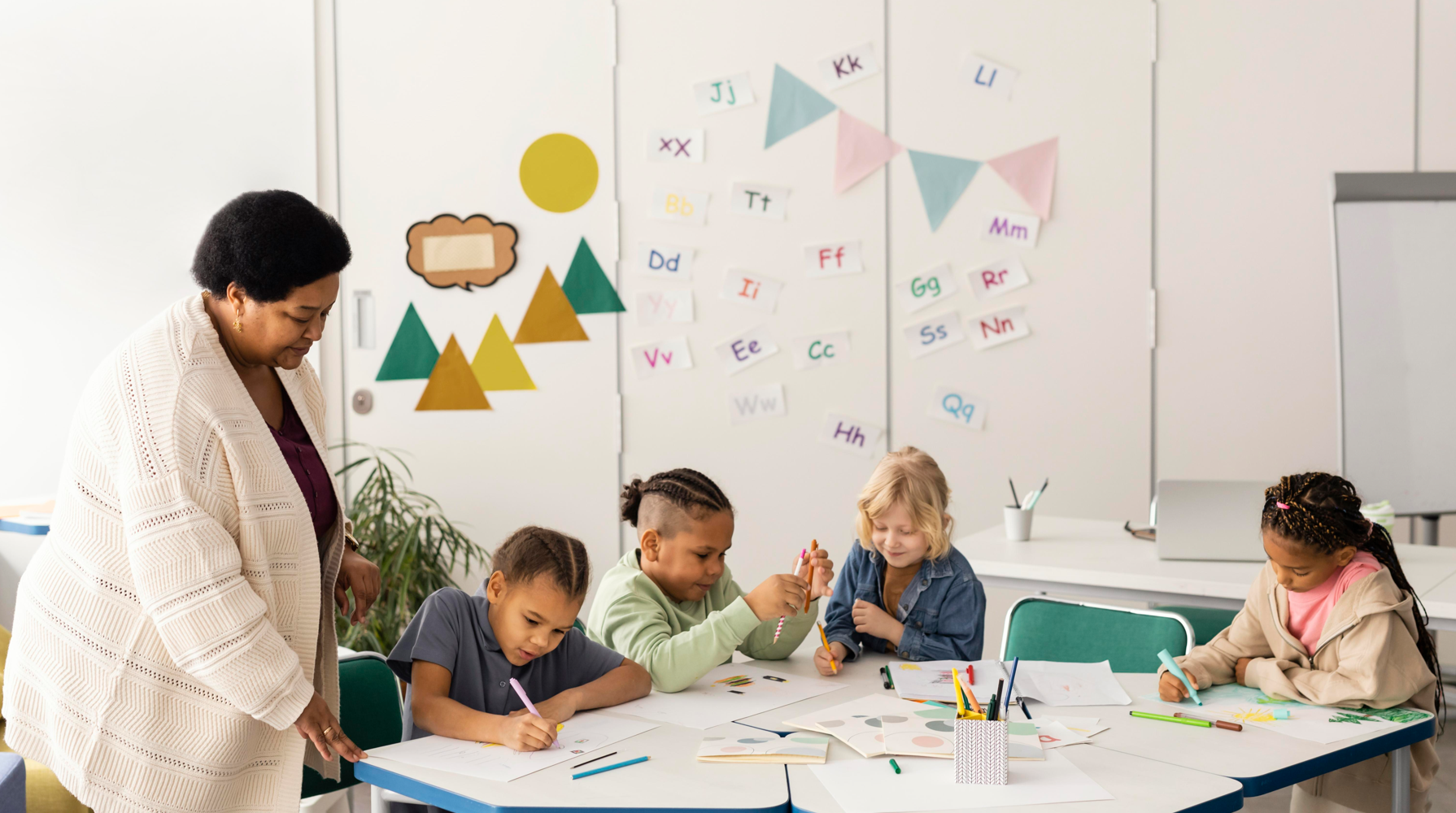
Every student learns differently, bringing unique abilities, challenges, and perspectives into the classroom. For students with disabilities, an Individualized Education Program (IEP) plays a critical role in ensuring their educational needs are met in a meaningful and supportive way. Rather than focusing solely on limitations, IEPs are designed to recognize and build upon each student’s strengths. Through personalized strategies, targeted accommodations, and ongoing collaboration, IEP specialized learning helps students grow academically, socially, and emotionally.
Recognizing Individual Learning Profiles
One of the most important aspects of an IEP is its focus on understanding how a student learns best. Each plan is developed based on comprehensive evaluations that identify learning styles, abilities, and areas of strength. This individualized approach ensures that instruction is not one-size-fits-all, but instead tailored to the student’s unique profile. By recognizing how students process information, educators can design lessons that align with their strengths, helping them engage more fully in learning.
Aligning Instruction With Student Strengths
IEP specialized learning emphasizes instructional methods that highlight what students do well. For example, a student with strong visual skills may benefit from diagrams, charts, or visual schedules, while another with verbal strengths may excel through discussion-based learning. By aligning instruction with these strengths, students are more likely to experience success in the classroom. This approach not only improves academic performance but also helps students feel confident in their abilities.
Providing Targeted Academic Support
Another key benefit of IEPs is the ability to deliver targeted academic support where it is most needed. Specialized instruction, resource room support, or modified teaching techniques allow students to work toward grade-level standards at an appropriate pace. These supports are designed to reinforce strengths while addressing challenges in a structured and manageable way. As a result, students can make consistent progress without feeling overwhelmed or discouraged.
Encouraging Skill Development and Independence
IEP specialized learning goes beyond academic goals by promoting essential life and learning skills. Through carefully designed objectives, students are encouraged to build problem-solving, organization, and self-advocacy skills. Over time, these supports help students become more independent learners. By focusing on growth and capability, IEPs empower students to take ownership of their learning and recognize their potential beyond the classroom.
Supporting Social and Emotional Growth
Academic success is closely tied to social and emotional well-being, and IEPs often include strategies that address these areas. Supports such as counseling services, social skills instruction, or behavioral interventions help students navigate social interactions and manage emotions effectively. By nurturing emotional strengths and resilience, IEP specialized learning creates a more supportive environment where students feel understood and valued.
Fostering Collaboration Among Educators and Families
The success of an IEP relies heavily on collaboration. Teachers, specialists, parents, and students work together to set goals and monitor progress. This team-based approach ensures that strengths observed at home and in school are consistently reinforced. Open communication allows adjustments to be made as students grow, ensuring the IEP continues to reflect their evolving abilities and needs.
Promoting Long-Term Educational Success
Ultimately, IEP specialized learning is designed to prepare students for long-term success. By building on strengths and providing appropriate support, students gain the tools they need to succeed in higher education, employment, and everyday life. This strength-based approach fosters confidence, motivation, and a positive attitude toward learning, helping students envision a future where they can thrive.
IEP specialized learning plays a vital role in supporting individual student strengths through personalized instruction, targeted support, and collaborative planning. By focusing on what students can do and providing the resources they need to grow, IEPs create inclusive learning environments where every student has the opportunity to succeed. Through this individualized approach, students are not only supported academically but are also empowered to reach their full potential.