



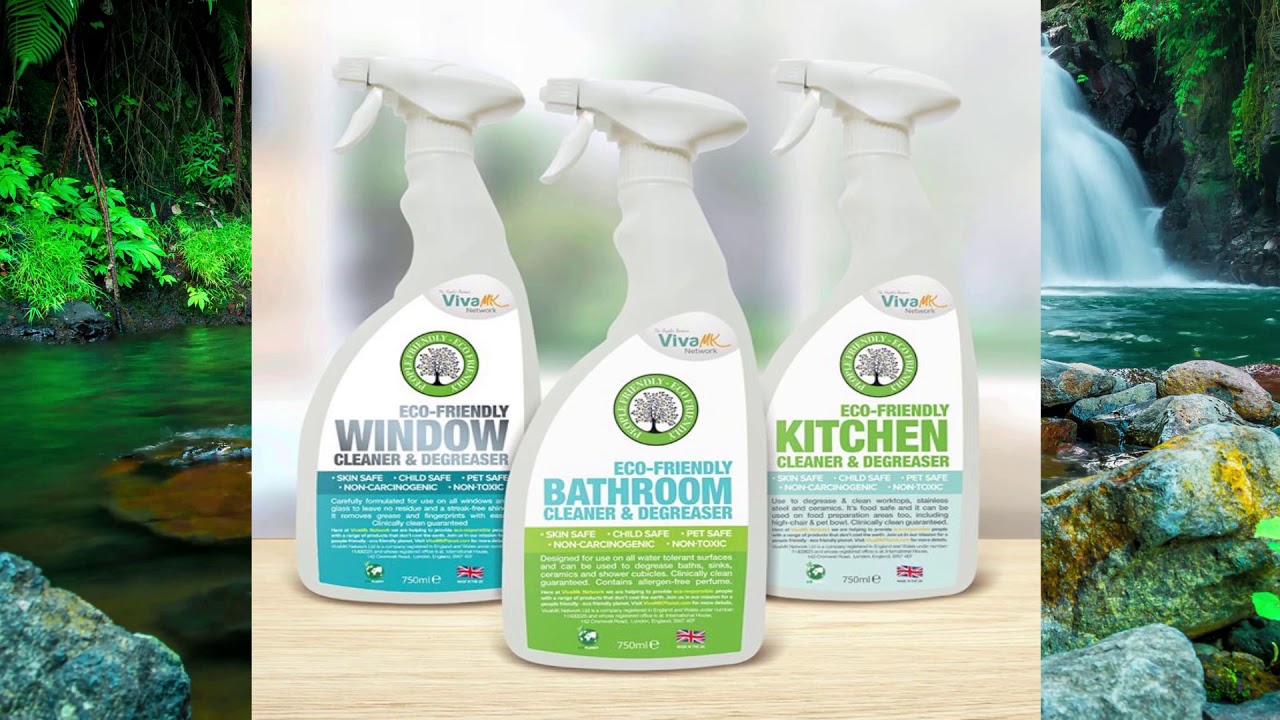
The genesis of eco-friendly cleaning products can be traced back to the emerging consciousness towards preserving our environment. These products, a quintessential part of green living, are designed to minimise their impact on our planet’s ecosystems. They are composed predominantly of natural ingredients rather than synthetic chemicals, thus curbing the emission of harmful pollutants into our atmosphere.
In stark contrast to conventional cleaning agents, these green alternatives contain biodegradable elements and are often encased in recyclable packaging. This means they break down easily after use and cause less littering.
By utilising such products, we inadvertently reduce our carbon footprint and contribute towards a sustainable future. The effectiveness of eco-friendly cleaning products is unrivalled as well; they remove dirt, germs and stains as efficiently as their counterparts without causing any harm to human health or the environment.
Deciphering Septic Safe Products
Septic safe products pose no threat to septic systems – structures that treat wastewater in areas that lack centralized sewer systems. These systems are intricate microbiomes housing millions of bacteria working assiduously to break down waste materials.
However, not all cleaning products are septic safe; many conventional cleaners contain harsh chemicals that can annihilate this bacterial life within septic systems leading them to malfunction or even total system failure which is expensive and time-consuming to repair. Septic safe products, on the other hand, have been meticulously formulated with ingredients that do not disrupt this delicate microbial balance within the septic system ensuring its proper functioning.
The Imperative for Septic Safe Eco-Friendly Cleaning Products
The importance of using eco-friendly cleaning products that are also septic safe is threefold: environmental preservation, economic considerations and protection against health hazards. From an environmental perspective, using septic safe eco-friendly cleaning products averts the contamination of groundwater reserves, rivers, and oceans with harmful chemicals; thereby preserving aquatic life forms. Additionally, the usage of such products also reduces the volume of non-biodegradable waste cluttering our landfills.
From an economic standpoint, septic-safe cleaners prevent damage to septic systems which can be exorbitantly expensive to repair or replace. Moreover, they also prolong the life-span of these systems thereby saving homeowners considerable replacement costs in the long run.
On the health front, eco-friendly cleaning products free from harsh chemicals reduce our exposure to toxins that can cause a myriad of health complications such as skin irritations, respiratory issues and allergic reactions. Thus, making a switch to these green alternatives fosters not only an eco-conscious mindset but also advocates for improved public health.
Understanding Septic Systems
The Intricate Workings of Septic Systems
A septic system, in essence, is an independent, underground wastewater treatment structure. Predominantly found in rural areas without centralized sewer systems, these units use a combination of nature and innovative technology to treat water from bathrooms, kitchen drains and laundry. The mechanism commences when the wastewater moves from your home to the septic tank.
It’s a watertight box buried underground made of concrete or fiberglass that holds the wastewater long enough for solids to settle down as sludge and oil and grease to float as scum. Compartments and a T-shaped outlet prevent the sludge and scum from leaving the tank while letting the liquid portion flow into the drainfield area.
Drainfields are shallow covered excavations made in unsaturated soil. Perforated pipes distribute the liquid over these trenches where it percolates into gravel or porous stone before being neutralized and purified by soil.
The Fallout of Using Non-Septic Safe Products
Non-septic safe products can wreak havoc on your septic system. Many cleaning agents contain harsh chemicals like bleach, phosphates, antibacterial agents which destroy beneficial bacteria inside your septic tank crucial for breaking down waste materials.
Without these helpful microorganisms doing their job efficiently, solids won’t decompose as they should. This could lead to an overaccumulation of solid waste material in your tank which could then flow out into your drain field clogging it up severely; an ominous scenario that often leads to expensive repairs or even complete replacement of your septic system.
Besides this immediate impact on your pocketbook, using non-septic safe chemical-laden products often disrupts the pH balance inside your tank leading to an ineffective septic system that can’t treat wastewater properly. In worse cases, these chemicals can even corrode your tank causing leaks.
Environmental Implications of Damaging Septic Systems
When septic systems fail, untreated household waste seeps into the surrounding soil contaminating nearby groundwater. This polluted water not only leads to poor quality drinking water but negatively impacts rivers, lakes and coastal waters harming both aquatic life and people who swim or fish in these waters.
High nutrient levels from improperly treated wastewater can cause the excessive growth of algae – a process known as eutrophication. This overabundance depletes underwater oxygen levels leading to the death of diverse aquatic species creating what are known as ‘dead zones’.
Moreover, damaged septic systems release harmful gases like methane and carbon dioxide which contribute significantly to global warming. Thus, by compromising our septic system we not only risk damaging our immediate environment but also end up adding to the already pressing global environmental crisis.
Eco-Friendly Cleaning Products and Their Ingredients: Nature’s Bounty at our Disposal
A key component of eco-friendly cleaning products is the use of natural and biodegradable ingredients. These are not only kind to the environment but also possess inherent cleaning properties. At the helm of these ingredients are vinegar, baking soda, and essential oils.
Vinegar is revered for its natural antimicrobial properties which make it a potent force against common household germs. Its acidic nature aids in breaking down dirt and grease, making your surfaces squeaky clean without leaving harmful residues behind.
Moreover, vinegar is safe for septic tanks as it does not disrupt the bacterial ecosystem within them. Baking soda, also known as Sodium Bicarbonate, serves a dual role in green cleaning products.
It acts as a deodorizer by neutralizing odors rather than masking them with artificial fragrances. Additionally, its fine granules provide gentle scrubbing power that effectively removes tough stains without scratching surfaces.
How to Identify Septic Safe Cleaning Products: Reading between Labels
Choosing septic safe cleaning solutions demands an understanding of product labels and certifications. While it may seem like a daunting task at first glance, with time you can quickly identify which products are truly eco-friendly and safe for your septic system. Some chemicals to beware of include bleach, phosphates, petroleum solvents among others.
These elements can be corrosive and detrimental to your septic system over time – disrupting the delicate balance within your tank that could lead to costly repairs or replacements. To ensure you choose wisely remember this simple tip: The simpler the ingredient list on a product label; generally speaking,the safer it is for both you and your septic system.
Top Eco-Friendly Septic Safe Cleaning Products: The Green Elite
Fortunately for the eco-conscious consumer, there is a myriad of septic safe, eco-friendly cleaning products available. These range from laundry detergents to all-purpose cleaners, each crafted with care for the environment and your home.
When it comes to laundry detergents, ‘X Brand’ is renowned for its plant-based composition that’s tough on stains yet gentle on your septic system. For dishes, ‘Y Brand’ dish soap has garnered commendable reviews for its effective grease-cutting power while being fully biodegradable.
‘Z Brand’, offers an all-purpose cleaner that leaves homes sparkling without using harsh chemicals. And lastly, for toilet bowl cleaners, ‘A Brand’ provides a powerful cleaner that fights tough stains and deodorizes without compromising the health of your septic system.
DIY Homemade Septic Safe Cleaning Recipes: The Art of Home-Made Efficacy
Beyond ready-made solutions in the market today, you can also create your own septic safe cleaning products right at home. This not only gives you control over what goes into your cleaning supplies but also allows for customization based on personal preferences. A basic recipe involves mixing equal parts white vinegar and water with a few drops of essential oil for fragrance.
This solution can be used as an all-purpose cleaner around the home and is completely safe for your septic system. Remember to always test homemade solutions on a small inconspicuous area before applying broadly to ensure they are suitable.
Impact on Human Health & Environment: A Breath of Fresh Air
Switching to green cleaning products has far-reaching implications beyond just safeguarding our septic systems. They contribute significantly towards improving indoor air quality by reducing chemical pollutants in our homes which consequently decreases health risks associated with exposure to harsh chemicals.
Moreover, the use of biodegradable and non-toxic ingredients in these cleaners helps maintain the delicate balance of our ecosystem. It keeps our waterways clean and thus ensures a sustainable future for generations to come.
The Green Path Forward
The journey towards a cleaner and greener lifestyle starts at home. Equipped with knowledge about eco-friendly, septic-safe cleaning products, we can all make more informed decisions that benefit not just us but also the environment.
As we tread this green path together, remember it’s not just about creating a cleaner home but also about fostering a healthier planet for ourselves and future generations. So, go forth and embrace this wave of eco-conscious living – after all, every small step counts!