



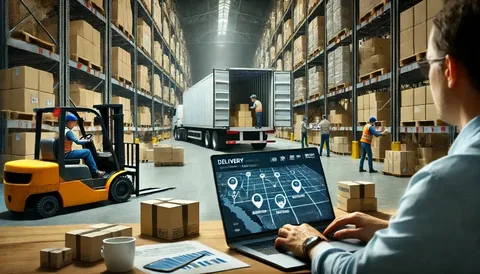
In an era where e-commerce continues to surge and supply chains have become more complex than ever, partnering with a reliable logistics company UK has never been more critical for businesses of all sizes. From small startups fulfilling their first online orders to established enterprises managing nationwide distribution networks, the efficiency, cost-effectiveness, and reliability of your logistics partner provides can make or break your bottom line.
The UK logistics sector is currently valued at over £130 billion and employs more than 1.7 million people, making it one of the most important pillars of the British economy. Yet despite its size, the industry is undergoing rapid transformation driven by Brexit-related changes, labour shortages, sustainability mandates, and the relentless growth of next-day and same-day delivery expectations.
This comprehensive guide explores everything you need to know about selecting and working with a top-tier Logistics company UK, the evolving landscape of distribution services, emerging trends, and practical advice on how to future-proof your supply chain.
What Exactly Does a Modern Logistics Company in the UK Do?
Gone are the days when a logistics provider simply moved boxes from A to B. Today’s leading logistics companies offer an integrated suite of services that span the entire supply chain:
- Freight forwarding (road, air, sea, and rail)
- Warehousing and storage (ambient, temperature-controlled, hazardous goods)
- Pick-and-pack fulfilment for e-commerce
- Last-mile and same-day delivery
- Reverse logistics and returns management
- Customs clearance and Brexit-related documentation
- Inventory management and demand forecasting
- Supply chain visibility platforms and real-time tracking
The best operators combine physical infrastructure with cutting-edge technology to deliver seamless end-to-end solutions.
Key Factors to Consider When Choosing a Logistics Company in the UK
1. Network Coverage and Infrastructure
A truly national logistics company should have strategically located depots across the UK – from Glasgow and Manchester in the north to Bristol, Birmingham, and the South East. Look for multi-hub networks that minimise mileage and maximise delivery speed.
2. Technology and Visibility
The days of “your parcel is on the way” are long gone. Modern distribution services provide:
- Real-time GPS tracking
- API integrations with major e-commerce platforms (Shopify, Magento, Amazon, eBay)
- Automated proof-of-delivery with photos and digital signatures
- Predictive ETA algorithms
- Carbon footprint reporting dashboards
3. Flexibility and Scalability
Peak season surges (Black Friday, Christmas, Prime Day) can see order volumes increase by 300–500%. Your logistics partner must be able to scale warehouse space, fleet capacity, and staffing at short notice without compromising service levels.
4. Sustainability Credentials
With the UK committed to net-zero by 2050 and major retailers pledging carbon-neutral delivery, green logistics is no longer optional. Leading companies now operate:
- Electric and hydrogen vehicle fleets
- HVO (hydrotreated vegetable oil) fuelled HGVs
- Carbon-offset programmes
- Optimised route-planning software that reduces empty miles
- Plastic-free and recyclable packaging options
5. Cost Transparency
Hidden fees for fuel surcharges, weekend deliveries, or failed delivery attempts can quickly erode margins. Look for logistics providers that offer clear, all-inclusive pricing models or at the very least provide detailed monthly cost breakdowns.
The Evolution of Distribution Services in the UK
Distribution services have dramatically evolved over the past decade, driven by changing consumer behaviour and technological advancement.
From Pallet Networks to Micro-Fulfilment Centres
Traditional pallet networks still dominate B2B distribution, but B2C has seen the explosive growth of urban micro-fulfilment centres. These small, automated warehouses located inside or near city centres enable same-hour delivery in major conurbations – think Amazon Prime Now or Getir-style services.
The Rise of On-Demand and Gig-Economy Delivery
Companies such as Stuart, Gophr, and Packfleet have disrupted the last-mile space by offering flexible, app-based courier networks. While excellent for speed, businesses must weigh the consistency and branding implications of using multiple gig-economy drivers wearing different uniforms.
Consolidation in the Parcel Carrier Market
The UK parcel market remains dominated by a handful of giants:
- Royal Mail / Parcelforce
- DPD
- Hermes (now Evri)
- Yodel
- UPS and FedEx for premium/international
However, many mid-sized businesses are now prefer to work with a single 3PL (third-party logistics) provider that consolidates multiple carriers under one contract, one invoice, and one point of contact.
How Brexit Continues to Shape UK Logistics in 2025
Even five years after the transition period ended, Brexit-related friction remains a daily reality for any logistics company UK handling EU trade.
New requirements include:
- Export/import declarations
- Rules of origin documentation
- Safety & security certificates
- VAT and duty calculations
- Delayed VAT accounting for imports
Top-tier logistics partners now employ in-house customs brokerage teams and provide user-friendly digital platforms that automate compliance paperwork – saving importers and exporters hundreds of hours per month.
Emerging Trends That Will Define Logistics in 2025–2030
- Drone & Autonomous Vehicle Delivery While widespread drone delivery is still a few years away in the UK due to CAA regulations, trials in rural Scotland and the Midlands are showing promising results.
- AI-Powered Predictive Logistics Machine learning models that forecast demand spikes, predict traffic disruptions, and automatically reroute vehicles in real time.
- Blockchain for Provenance and Transparency Particularly important for food, pharmaceuticals, and luxury goods where consumers demand verifiable supply chain data.
- Circular Economy Logistics Specialised reverse logistics networks designed to handle refurbishment, resale, and recycling at scale.
- 24/7 Dark Stores and Automated Micro-Warehouses Fully robotic fulfilment centres that operate without human intervention, dramatically reducing labour dependency.
Questions to Ask Your Prospective Logistics Partner
- What is your on-time delivery rate for next-day services over the past 12 months?
- How quickly can you onboard a new client and integrate with our systems?
- Do you have dedicated account management or will we be passed between different contacts?
- What contingency plans do you have for driver shortages or extreme weather, or cyber attacks?
- Can you provide references from businesses of a similar size and sector?
Final Thoughts: Partnering for Long-Term Success
Choosing the right logistics company UK is not a decision to be taken lightly. The partner you select today will play a pivotal role in your customer satisfaction scores, operational costs, and ability to grow – both domestically and internationally.
The most successful businesses treat their logistics provider as a strategic partner rather than a commodity vendor. Regular performance reviews, shared KPIs, and collaborative planning sessions are hallmarks of the strongest relationships.
Whether you’re a rapidly scaling e-commerce brand needing flexible distribution services, an importer navigating post-Brexit complexity, or a manufacturer seeking cost-efficient pallet distribution, investing time upfront to select the right logistics partner will pay dividends for years to come.
In 2025, logistics is no longer just about moving goods – it’s about creating competitive advantage through speed, transparency, sustainability, and resilience. Choose wisely, and your logistics partner can become one of the most valuable assets in your business arsenal.